

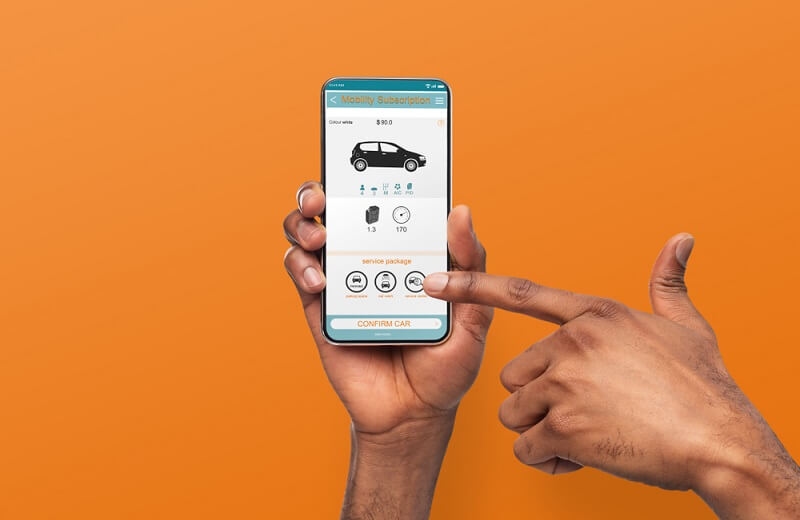
Car subscription services are shifting how people think about getting around. Instead of buying or locking into long leases, drivers use vehicle subscription models that feel easier and more flexible. This approach supports flexible car ownership while also fitting into modern mobility services that many cities now depend on. Auto leasing trends once focused on long terms and strict contracts, but car subscription services bring short commitments and bundled costs. What this really means is less paperwork, fewer surprise bills, and cars that match life changes faster than old systems ever did.
Car subscription services let drivers pay a monthly fee to use a vehicle. Insurance, maintenance, and roadside help often sit inside one payment, which keeps things simple even when life gets busy. Vehicle subscription models usually allow swaps between cars, though rules vary a bit.
Instead of owning a car for years, flexible car ownership through subscriptions gives access without deep long-term ties. Many mobility services also connect with these plans, offering digital booking and account tools that feel familiar to app users.
Vehicle subscription models follow a few common steps, even when brands differ.
Auto leasing trends shaped some of these systems, but car subscription services remove much of the rigid structure that leases still carry. Terms are shorter, and approval rules can be less strict, though not always.
Expand Your Knowledge: Car Subscription Models in 2025: The Future of Mobility
Life rarely stays the same for long. Jobs change, families grow, and commutes shrink or stretch. Flexible car ownership helps people adjust without selling a car or breaking a lease early, which often costs a lot.
Car subscription services support this shift by giving access instead of ownership pressure. Vehicle subscription models let someone drive a compact car today and an SUV later, which makes sense when needs change. Mobility services in cities also reduce the need for one permanent car, so subscriptions fill the gaps.
Several practical upsides stand out when people compare car subscription services to older options.
Auto leasing trends still matter in the market, but flexible car ownership through subscriptions offers a middle ground between renting and owning. That balance attracts drivers who want control without long strings attached.

Money questions always come first. Car subscription services often look more expensive at a glance, yet the full picture can feel different once extras get counted.
Vehicle subscription models usually include:
When these items are added to a traditional loan or lease, totals rise fast. Auto leasing trends show that many drivers underestimate these side costs, which makes subscriptions look more predictable even if the sticker price seems higher.
Flexible car ownership also reduces long-term risk. If a car no longer fits, the switch can happen without selling at a loss. That safety has value, even if it does not show clearly on a price tag.
Read More: Autonomous Vehicle Trends 2025 and the Rise of AI Cars
Mobility services include ride sharing, car sharing, bikes, and public transit. Car subscription services sit right beside these options, filling the space between short rides and full ownership.
Someone may use trains during the week and a subscribed car on weekends. Vehicle subscription models allow this mix without wasting money on a car that sits parked most days. Flexible car ownership fits urban life where parking is tight, and driving habits shift often.
Auto leasing trends focused on one driver and one car for years. Mobility services now push toward access over possession, and subscriptions follow that same idea in a practical way.
Car subscription services are not perfect for every person, yet certain situations match well.
Vehicle subscription models help in these moments because exit paths are clearer. Flexible car ownership avoids the stress of long contracts when life already feels uncertain.
Every service comes with fine print, and car subscription services are no different. Reading details carefully prevents surprises later.
Important points often include:
Auto leasing trends taught many drivers to skim contracts, which can lead to confusion. Vehicle subscription models may look simpler, but terms still matter. Mobility services also depend on good digital access, so checking app quality and customer support is wise.
Car subscription services sometimes include newer cars with better fuel economy or electric power. That can lower emissions compared to driving older vehicles for many years. Flexible car ownership also encourages trying cleaner models without long commitments.
Vehicle subscription models often rely on apps, remote access, and digital support. Mobility services offer the same tools, which provide a connected system for transportation. The trend in auto leasing was slow to adopt technology, but car subscriptions drive faster updates because of the frequent change in vehicles.
No single option fits everyone, but car subscription services clearly hold a growing place in transportation. Vehicle subscription models respond to how people actually live now, with work patterns and travel habits that shift often.
Flexible car ownership gives breathing room that old ownership styles lack. Mobility services continue to grow, and subscriptions blend well with them instead of competing directly. Auto leasing trends will keep evolving, yet the idea of access over ownership looks set to stay.
Read Next: Vehicle-to-Vehicle Communication: The Safety Future
Car subscription services provide drivers with choice, control, and less long-term commitment. Vehicle subscription models support flexible car ownership while fitting into wider mobility services. Auto leasing trends may still serve some people, but subscriptions offer a simple path for changing needs, making modern driving feel more manageable and less stressful overall.
Car subscription services may cost more per month, but vehicle subscription models include insurance and maintenance. When those are added to leases, the gap sometimes shrinks more than expected.
Many car subscription services allow swaps, though limits apply. Flexible car ownership depends on provider rules, so checking swap fees and timing matters before joining.
Most vehicle subscription models still check credit, but requirements can be softer than traditional auto leasing trends. Payment history may still be reported in some cases.
Mobility services cover many transport options. Car subscription services fit between public transit and ownership, giving access to a car only when regular driving is truly needed.
This content was created by AI