

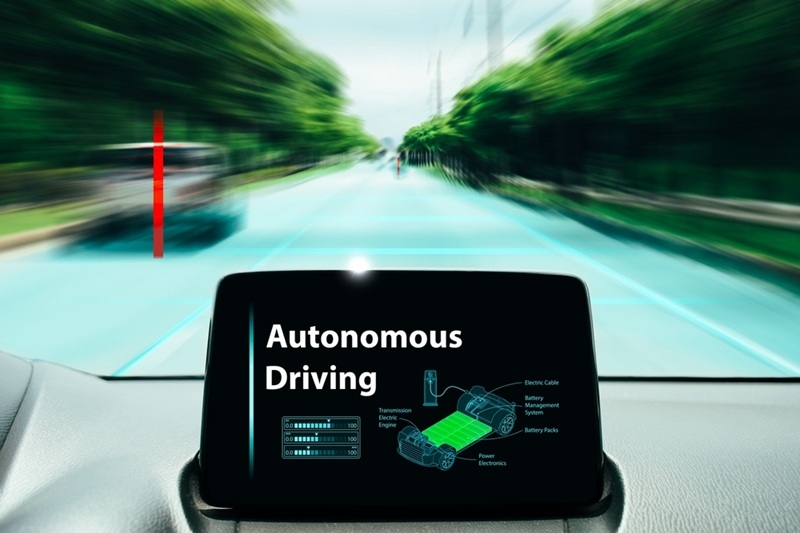
Rapidly evolving automotive technology is changing how we drive, interact with our vehicles, and experience getting from one location to another. Modern cars have more intuitive features that combine intelligence, safety, and convenience than ever before. The combination of these innovations in the automotive technology sector includes vehicle automation and advancements in driving technologies, leading to a smarter, more efficient driving experience.
The latest technological developments in the automotive industry focus on automation, connectivity, and an enhanced user experience. In this regard, automobile manufacturers have made significant capital investments to develop intelligent systems that enhance vehicle safety, comfort, and performance.
Today’s automobiles are equipped with state-of-the-art smart car technologies that enhance the convenience of driving while reducing the risk of human error. Some of these smart car features include voice-activated assistants, adaptive cruise control, and automated parking systems.
In addition, smart dashboards use AI (Artificial Intelligence) to provide drivers with recommendations for navigation, entertainment, and communication; therefore, technological advancements in automotive products are enabling cars to be more like intelligent companions rather than just vehicles.
Among automotive technology innovations, connected cars may have one of the largest impacts on the automotive industry and how consumers interact with their automobiles. Connected cars can communicate in real time with other devices, infrastructure, and other vehicles.
As a result, the vehicle will connect to the cloud and provide the driver with access to remote diagnostic information, real-time traffic updates, and predictive alerts for required vehicle maintenance. Connected cars are defining how the automobile will be operated, and the driving experience will be changed forever.
A vital part of contemporary automotive technological models is their vehicle automation component. Advanced Driver Assistance Systems (ADAS) are also becoming increasingly advanced; many new vehicles now include semi-autonomous driving features such as lane-keeping assistance and collision-avoidance systems. The growth of autonomous vehicle technology will lead to an age in which fully autonomous vehicles will likely be a reality, thereby reducing accidents and enhancing mobility for everyone.
Read Next: The Future of Custom Car Designs: 2025’s Hottest Trends
The rapid adoption of vehicle technology trends is driven predominantly by safety and efficiency. Automakers are now using a range of advanced systems to help prevent accidents, reduce fuel consumption, and enhance performance.
One of the most significant automotive technological innovations within new cars is the Advanced Driver Assistance Systems. Examples of ADAS features include blind-spot detection, automatic emergency braking, and lane-departure warning.
ADAS dramatically reduces the likelihood of accidents by providing drivers with assistance during critical situations. The advancements made through this technology make our roads a safer environment overall.
Some modern connected cars also include an energy-efficiency factor. This is achieved through the utilization of sophisticated software programs designed to improve battery performance and lower harmful emissions.
Because vehicle automation is being integrated into these vehicles, they can automatically adjust their driving habits and patterns to be as fuel-efficient as possible. These advancements in vehicle technology trends are contributing to improving the environment and promoting overall sustainability.
Connected cars can also provide drivers with real-time data about their vehicles. For example, vehicles can self-monitor their health and send out alerts when issues may arise.
The use of a predictive maintenance approach enabled by advancements in automotive technologies can significantly lower maintenance costs for consumers and enhance the driving experience. The advances made in driver-assist systems (ADAS) will result in longer-lasting, more reliable automobiles.
Also Read: Top Luxury Car Features Redefining Premium Driving
Vehicle technology trends are very optimistic because they're developing in ways that will change how we travel and use our cars.
The use of Artificial Intelligence (AI) in vehicles has significantly enhanced the functionality of smart features. AI systems can personalize the driving experience, provide intelligent navigation, and enable vehicles to learn about their drivers, resulting in more efficient, customized driving for each driver through the adaptability of both the vehicle and its systems.
The evolution of vehicle tech and the increased use of connectivity are due in part to the introduction of 5G technology. Faster data transfer speeds enable vehicles to better communicate with the environment in which they are driving (external connectivity), improving vehicle automation and overall vehicle safety. Advancements in how we use vehicles (vehicle engineering) are also driving improvements in how we travel through smarter cities and better transportation systems.
The ultimate goal of the vehicle technology trend is to create fully autonomous vehicles. These vehicles will be designed to operate without human involvement and will use technology such as advanced sensors and AI algorithms to perform their task. There are many hurdles to overcome; however, advances in vehicle automation and overall vehicle technology will ultimately help fulfill this goal and change how we travel.
The evolution of automotive technology is transforming the auto industry and how we experience driving. Innovation in smart car features and advanced connected cars is making cars safer, more intelligent, and more efficient.
Vehicle automation and new driving technologies are changing the future of mobility in unprecedented ways. Embracing these innovations will increase convenience and contribute to a safer, greener planet.
Vehicle resale value can be greatly influenced by the current automobile technology trends, as people are purchasing newer vehicles that include the latest technological features, including smart car features and connected vehicle capabilities, so as a result, vehicles with contemporary automotive technology will have higher resale values than older vehicles without the aforementioned technologies included.
With growing economies of scale in developing automotive technology, car technology trends have become increasingly affordable for the average car buyer. Today, many entry-level vehicles from major automakers are equipped with the latest automotive technologies, such as smart car features and connected vehicle technology. Many vehicle automation and automotive technology innovations are gradually moving from the premium vehicle market into the mass market, making these technologies available to all everyday drivers.
The ability to provide real-time navigation, remote access, and predictive maintenance alerts makes connected vehicles more convenient than traditional vehicles for everyday driving. Current automotive technology trends are integrating innovations and smart car features into vehicles to assist drivers with everyday driving tasks. In addition, current and emerging vehicle automation and automotive technology innovations are dramatically reducing anxiety about driving and providing drivers with an improved overall driving experience.
Current automotive technology is heavily dependent on software technology, as this is required in the operation of connected vehicles (Smart/Increased functionality), and the use of software through predictive analysis or AI to continuously enhance driving experience through improved operational performance (through updates) or through driving technology enhancements based on analytics to improve safety, performance, and the way you drive.
By providing an ability to alert a driver to future maintenance requirements, or of fuel efficient technologies, or of new technologies that improve safety (to avoid accidents), or through machine-learning models that predict wear-and-tear or use of the vehicle, thereby creating a way for overall car technology evolution to become less expensive as time passes.
This content was created by AI