

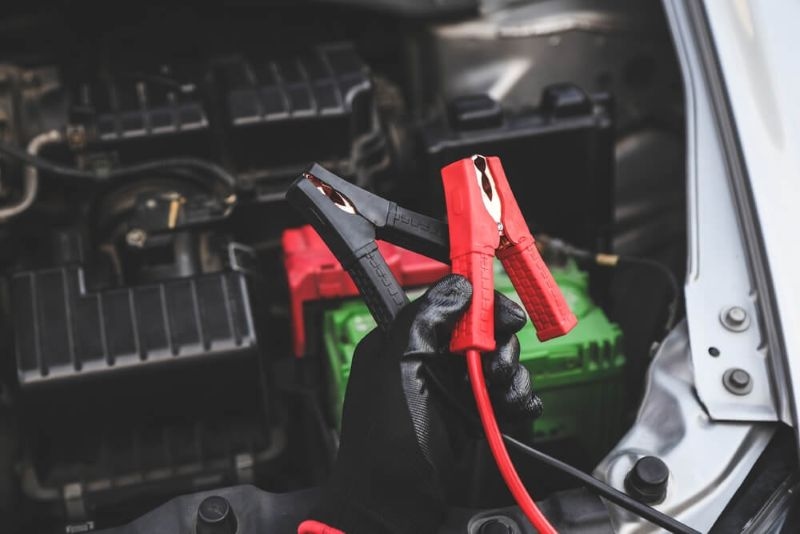
To jumpstart a car, a driver needs one thing most of all: the right method. A dead battery can stop plans instantly, even when everything else in the vehicle is fine. This blog explains how to jumpstart a car with a battery, shares how to jumpstart a car with a battery safely, and highlights key safety checks. It also covers warning signs, useful tips, and what to do after the engine starts.
Must Read: How Can Air Pressure in Tires Impact Your Riding Experience?
A car battery typically does not provide an early warning in a clear manner. One day, the vehicle starts normally. Then on another day, it doesn’t. The driver turns the key, and the engine stays quiet. Sometimes there is only a small click. Sometimes even the lights look weak.
This is where jump-starting becomes useful. To jumpstart a car with a battery, the process uses power from another working battery. That extra power helps the dead battery get enough energy to start the engine. It does not mean the battery is fixed forever. It simply gets the car running again, which is often the main need in that moment.
Jump-starting does not always work the same way for every vehicle. Sometimes the engine starts fast. Other times it takes longer. These factors shape how smoothly the jump-start works and what results a driver can expect.
The condition of the battery decides a lot. A weak battery may take the charge slowly. A failing battery may not take it at all. In those cases, the engine might start once and shut down again later.
Battery terminals must be clean for strong contact. If there is dirt or corrosion, the current flow becomes weak. Sometimes the method is correct, but the clamp is loose, which is enough to stop the jump from working.
The cable order is not just a “nice rule.” It is the core safety step. Wrong order increases spark risk and can harm the vehicle’s electrical system. People who follow the correct sequence usually succeed faster and with fewer issues.
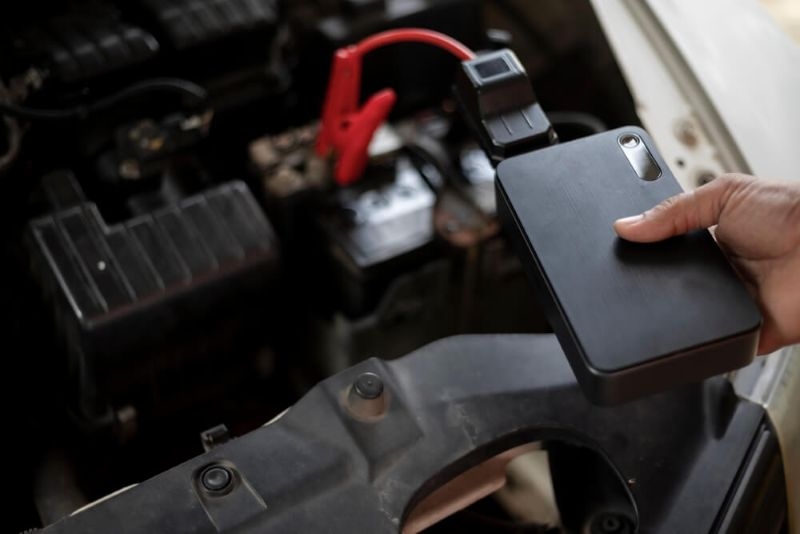
The following steps will help you to understand how to jumpstart a car with a battery:
Both vehicles should be parked close enough so that the cables can reach. They should not touch each other. Parking brakes should be applied. Engines should be turned off at the start.
Both hoods should be opened fully and secured. Batteries should be located. Some cars have plastic covers, which may need to be removed. The battery should be checked briefly.
Each battery has a positive and a negative terminal. Positive is marked with a plus sign. Negative is marked with a minus sign. These markings should be confirmed carefully.
The red clamp should be connected to the positive terminal on the dead battery first. The clamp must be firm and stable. If it slips, it can cause sparks to ignite.
Now the second red clamp should connect to the positive terminal on the working battery. Again, clamp grip matters. Loose connections waste time.
The black clamp should be connected to the negative terminal on the working battery. This completes the circuit on the helper vehicle side.
This step is often missed by beginners. The final black clamp should not go on the dead battery terminal. It should be connected to an unpainted metal surface on the dead vehicle, usually in the engine area. This reduces spark risk near the battery.
The helper vehicle should be started first. It should run for a short time. This allows power to flow through the cables. In some cases, letting it run for a bit longer helps more, especially when the dead battery is very weak.
The dead vehicle should now be started. If it starts, it should not be shut off immediately. The engine should stay running so the battery begins charging.
Top Pick: Difference Between All Weather Tires VS All Season Tires
There are some essential things that drivers must know about how to jumpstart a car properly:
If the driver hears clicking repeatedly but the engine does not turn over, the issue may not be the battery. It may point to a starter fault.
Sometimes the dashboard lights turn on, but the engine stays silent. This can suggest issues with the ignition switch, fuse, starter, or battery condition.
If the car starts and then shuts off again soon after, the battery may not be charging properly. Another jump may help, but the vehicle should be allowed to run longer. The driver should also consider that the battery might be at the end of its life.
Even with the right steps, jump-starting needs the right tools and conditions. These components play a big role in success and safety. They also help the driver avoid wasteful attempts.
Good jumper cables should be thick enough to transfer current properly. The clamps should grip hard and not slip. Damaged cables can overheat or fail. Reliable cables make jumpstarting a car with a battery smoother and faster.
The helper vehicle must have a strong battery. If that battery is weak, it cannot support the dead battery well. Many failed jump-starts come from using a helper car that already has battery issues.
A good metal point on the engine body improves safety. It reduces sparks near the battery area. This step is often repeated in safety guides because it works. It also keeps the jump-start cleaner and safer.
A driver can jumpstart a car safely by following the correct cable order and using safe clamp placement. The process becomes simple when done calmly. This guide explains how to jumpstart a car in clear steps. If the battery drains again, the vehicle should be checked soon.
Yes, it can be safe when the cable order is followed, and the final black clamp goes to bare metal.
This is because it reduces sparks near the battery. Sparks near battery gas can be risky. Bare metal placement is a standard safety step.
Clicking may point to a starter problem, not a battery issue. In that case, jump-starting a car with a battery may not be enough to start the engine.
This content was created by AI