

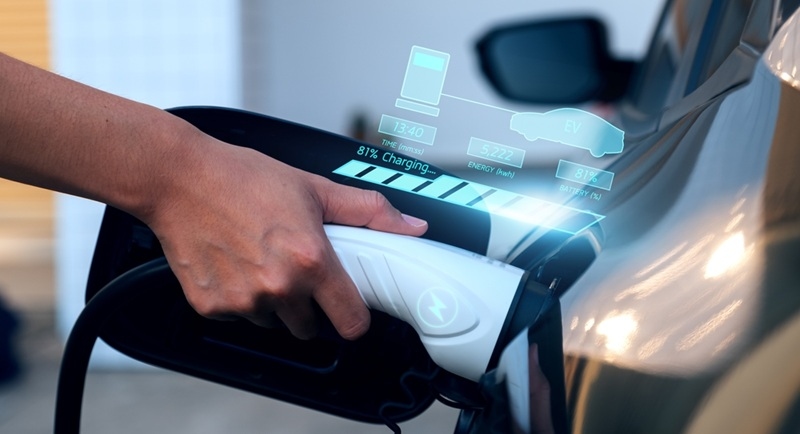
EV charging time can be referred as the total time needed for an electric vehicle to recharge the battery. This process completely depends on the type of charger being used, battery capacity, and the power supply available. Understanding EV charging time is not optional anymore for most car owners. This is because it can shape your daily travel plans.
This blog will help you understand the things that can impact EV charging time and the differences between level 1 and level 2 chargers.
Must Read: EV Technologies Trends Shaping the Future of Autos 2026
Not all charging sessions are the same. Some take a few hours. Others stretch longer than expected. The difference usually comes down to a few practical reasons.
Battery size is the first factor. A larger battery stores more energy, so it needs more time to fill. A smaller battery reaches full capacity sooner under the same charging conditions. That part is simple.
The starting charge level also matters. Charging from twenty percent is different from charging from five percent. When the battery is very low, the system may manage power carefully in the early phase.
The type of charger plays a strong role. Slower chargers deliver limited power per hour. Higher-powered chargers shorten the waiting period. The difference is noticeable in daily use.
Temperature can quietly affect charging. In very cold or hot weather, the vehicle may adjust charging speed to protect the battery. This is normal behavior. It is built for safety.
When drivers compare Level 1 vs Level 2 charger systems, they are really comparing convenience and speed. Both have their place. It depends on lifestyle.
Level 1 charging connects to a standard household outlet. It provides slow and steady charging. This setup works well when the vehicle remains parked for many hours, especially overnight.
Level 2 charging delivers stronger power. It reduces charging hours significantly. For drivers who rely on their vehicle every day, this difference becomes noticeable. The vehicle becomes ready sooner, and planning feels easier.
Level 1 charging requires almost no additional installation. It uses existing outlets, which makes it simple for many households. The trade-off is slower charging speed.
Level 2 charging needs a dedicated electrical connection. Installation usually requires professional support. Once set up, it offers more consistent performance. In the Level 1 vs Level 2 charger comparison, this is where many drivers decide based on long-term comfort.
For drivers with limited daily travel, Level 1 charging may be sufficient. It supports gradual charging without changes to home wiring.
For households with heavier usage or multiple drivers, Level 2 provides more flexibility. It reduces the risk of waiting for long hours. In the debate around Level 1 vs Level 2 charger systems, convenience often becomes the deciding factor.
DC fast charging is designed for speed. It is commonly found in public charging stations. It serves a different purpose compared to home charging.
DC fast charging allows drivers to regain a significant battery range in a short time. During long trips, this reduces overall travel delay. Instead of waiting for several hours, drivers can continue their journey after a brief stop. It supports smoother road planning.
Sometimes plans change. A longer drive becomes necessary. In such cases, DC fast charging offers a quick solution. It helps restore usable range without long interruptions. That flexibility matters when schedules are tight.
Public charging areas often rely on DC fast charging to serve more vehicles efficiently. Faster sessions mean more drivers can use the station in a day. It is not always required for daily home use. But it becomes useful when time is limited, and a range is needed quickly.
Top Pick: Is EV Road Trip Planning USA Worth the Hype Today?
A proper home EV charging setup makes daily charging smooth. Planning ahead prevents inconvenience later.
Before installation, the home’s electrical system must be evaluated. The system should handle the additional load without overload. If upgrades are required, they improve safety and stability. A well-prepared electrical system supports consistent charging.
Placement matters. The charger should be close to the parking area and easy to access. Cable length, parking position, and daily movement patterns should be considered. A simple arrangement saves time every day.
A safe home EV charging setup follows proper electrical standards. Professional installation reduces risks. Regular checks ensure stable performance. Clean connectors and secure wiring make a difference over time.
You can check the following list to calculate the charging cost per kWh:
The battery capacity is usually listed in vehicle documents. It is expressed in kilowatt-hours. This number shows the total energy storage of the vehicle when fully charged.
Review the electricity rate provided by the power supplier. It is typically measured per kilowatt-hour. By multiplying battery capacity by the electricity rate, drivers get a basic estimate of charging cost per kWh for a full charge.
Charging systems may not transfer energy with perfect efficiency. A small amount of energy is usually lost. Adding a small margin for this difference gives a more realistic idea of the charging cost per kWh over time.
EV charging time depends on battery size, charger type, electrical setup, and driving habits. Understanding these factors helps drivers plan daily travel more effectively. You can easily predict the charging behavior of an EV when the right charger is used.
The complete process of EV charging depends on various factors like the size of the battery and the type of charger that is used.
It works well for short daily drives. Drivers with longer routes may prefer faster charging systems.
This can be very helpful when you are traveling long distances and sudden urgent situations.
This content was created by AI