

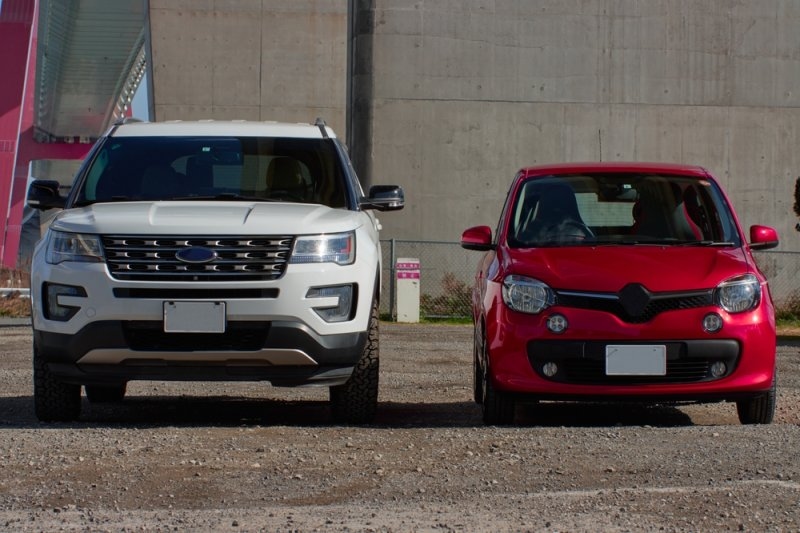
The whole SUV vs sedan argument pops up all the time. If you’ve ever stopped in a dealership and wondered which one you should pick, you’re definitely not alone. Right now, SUVs make up over half of all new car sales in many countries, but sedans are still a solid pick for folks who want good gas mileage, lower costs, and simple handling.
Here’s the truth: there’s no universal answer. It comes down to what you need, what you can spend, SUV vs. Sedan for families, and just how you drive. In this guide, we’ll break down how SUVs and sedans differ, talk through comfort, fuel economy, maintenance, car buying decisions, and family-friendliness, all to help you zero in on the best ride for your daily life.
Before you go deep into comparing features, it helps to know what really separates SUVs from sedans and know exactly what are the differences between an SUV and a sedan.
A sedan sits low to the ground, has a distinct trunk, and is designed for comfort and efficiency on paved roads.
SUVs stand taller, seat you higher, and usually offer a larger, more flexible cargo area. They’re built to handle rough roads and messy weather better than most sedans.
Just this difference in shape changes everything—fuel efficiency, comfort, long-term costs, and what each car is really good at.
Essential Reads: 2025 Honda Civic Sport Sedan: Style Meets Daily Performance
Many shoppers wonder whether an SUV is actually better. For plenty of families and adventurers, it really is.
You sit higher in an SUV, which helps you see more in heavy traffic. That alone makes many drivers feel more at ease.
Need to haul strollers, groceries, sports gear, or luggage? SUVs offer handy folding seats, larger cargo openings, and way more space to work with.
When you’re packing up kids, SUVs have the edge—more room for car seats, better head- and legroom, extra storage bins, and seats you can move around. All that makes them a top choice for family haulers.
SUVs hog the spotlight, but sedans still have a lot to offer.
Sedans are lighter and slip through the air more easily, so you’ll usually pay less at the pump compared to a similar SUV.
Most sedans steer and corner better, give you a quieter ride on the highway, and slide into tight city parking spots with less stress.
Now you might wonder, Are sedans cheaper than SUVs? If you want more for your money, most sedans are cheaper to buy and own, and many people notice this when they compare features.
Fuel economy is a major factor for most buyers. Just look at these numbers and know the vehicle comparison, and the comparison comes in handy to decide on should I buy an SUV or a sedan
| Vehicle Type | Typical Fuel Economy |
| Compact Sedan | 30–40 MPG |
| Midsize Sedan | 28–36 MPG |
| Compact SUV | 24–32 MPG |
| Full-Size SUV | 18–26 MPG |
If you drive a lot, those miles add up quickly—a sedan can save you hundreds every year in gas.
Fuel isn’t the only cost that matters. When you stack up maintenance, sedans usually come out ahead. Why? And SUV vs. sedan maintenance costs:
Brakes and suspension parts wear out more slowly (and cost less)
Better fuel economy means less strain on everything
On the other hand, SUVs need larger tires, beefier (and more expensive) parts, and often all-wheel-drive systems that cost extra to maintain. For anyone watching their budget, this makes a big difference over time.
First-time buyers most often bounce between a compact SUV and a regular sedan.
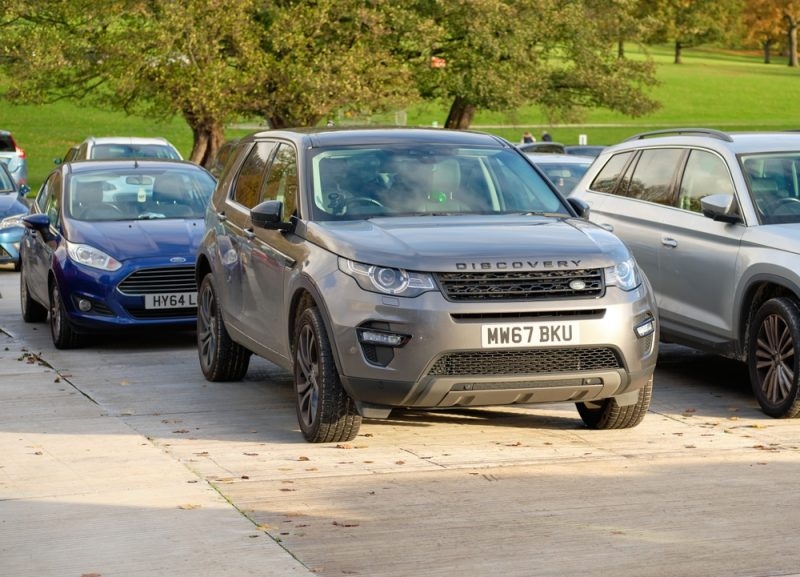
This matchup is especially hot among young professionals and small families.
When you pit a compact SUV against a full-size sedan, the price can be about the same, but what you get is pretty different.
Want pure comfort for passengers? The full-size sedan is tough to beat. But for versatility and cargo, go with the SUV.
Plenty of shoppers compare compact SUVs to midsize sedans.
Fantastic highway comfort
Great gas mileage
Plenty of room in the back
Lower costs to run
It really comes back to your routine.
For commuting, the sedan usually wins. For hauling people, gear, and handling life’s curveballs, SUVs have the edge.
Try This: 6 Overlooked Luxury SUV Bargains Becoming Future Classics
A lot of folks think SUVs are automatically more comfortable, but it honestly depends on what you like and the kind of driving you do. People often have questions like, "Are SUVs more comfortable than sedans?" and "Is an SUV better than a sedan?" Here are the real reasons:
For short trips or anyone who finds entry and exit a chore, SUVs are nice. But settle in for a long road trip? Many drivers prefer a well-tuned sedan.
There’s no single answer to the SUV vs. sedan question, like which is better, an SUV or a sedan, for daily driving. Need visibility, cargo options, and family perks? SUVs fit the bill. Crave great gas mileage, lower costs, and a smooth, simple drive? Sedans shine.
If all you care about is saving money and commuting, get a sedan. If your life demands more space or you value versatility, an SUV could be the better deal. Weigh things like fuel efficiency, maintenance, what you’re hauling, and who’s riding along—only you know which will make you happiest. And you don’t really know until you test-drive both on the roads you use every day. That’s how you figure it out for real.
If you want a higher view, flexible cargo, and easier access, you’ll probably enjoy a compact SUV. But if saving money is your top priority, sedans usually cost less to buy, insure, fuel, and maintain.
These days, SUVs tend to hold their value, especially compact and midsize models. Sedans can still do okay, but they often lose value more quickly.
For small families who mostly stick to city driving, a midsize sedan works great: comfy, efficient, and low-cost. But if you have more kids, pets, or road trips, the space and flexibility of an SUV pays off.
This content was created by AI