

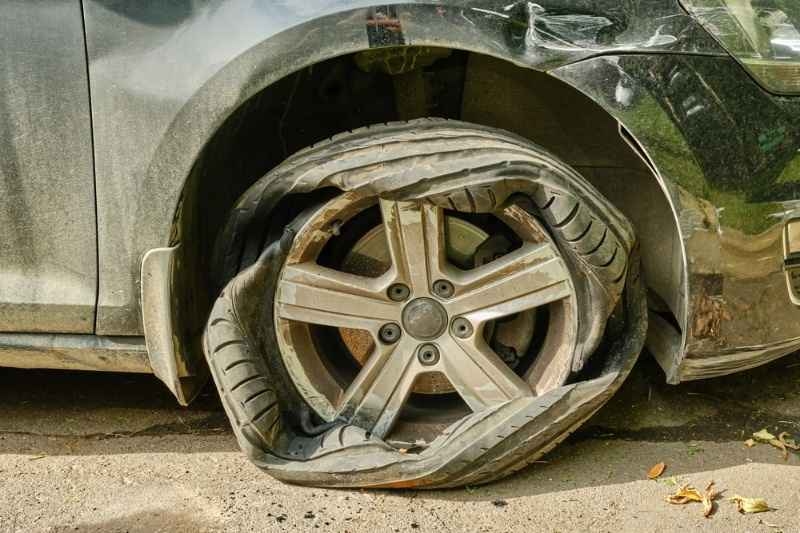
A tire blowout is one of those things drivers never really plan for. They just assume it will happen to somebody else. Until one day the steering feels wrong, there is a loud bang, and the car suddenly does not feel normal anymore. Not fun. Not even a little.
The tricky part is that blowouts usually do not come out of nowhere. They often build from smaller problems people ignore for too long. Low pressure. Overloading. Old damage. Worn tread. Long hot highway runs on a tire that was already struggling. In other words, a blowout is often the final result, not the first warning sign. Proper tire pressure is one of the most important parts of tire maintenance, and low pressure, overload, heat buildup, worn tread, and damage all increase the risk of tire failure.
The clearest way to understand tire blowout causes and prevention is to think in terms of stress. Tires fail when they are asked to handle more heat, more load, more impact, or more wear than they safely should. Underinflation is a major issue because it increases tire flexing and heat buildup. Overloading does the same thing, and that internal heat can lead to structural damage and eventual failure. Even sustained high temperatures from long-distance driving in hot weather can contribute to blowouts and tread separation.
That means preventing a tire blowout is usually less about one dramatic trick and more about consistent basics done properly. Check pressure. Respect load limits. Watch for damage. Replace worn tires before they become a problem. Simple stuff, honestly. But simple does not mean optional.
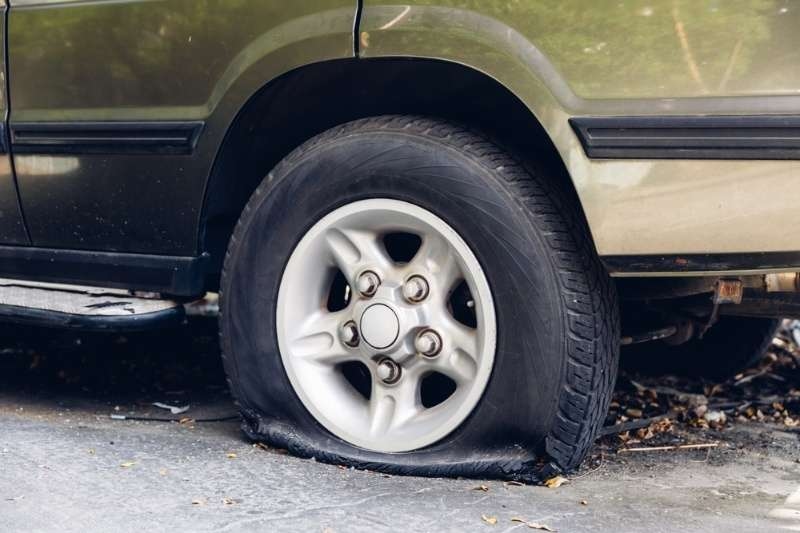
If someone asks, “What is the main cause of tire blowouts?” the most practical answer is underinflation. It is not the only cause, but it is one of the biggest and most common contributors because low tire pressure increases flexing, heat buildup, and internal damage. NHTSA says proper tire pressure is the most important part of maintaining tires, and Michelin notes that underinflation can increase flexing and generate excessive heat.
That extra heat matters more than people think. A tire rolling underinflated for miles, especially at highway speeds or in hot weather, is basically being overworked the whole time. The driver may not notice much at first. Maybe the car feels a little sluggish. Maybe not. But internally, the tire may already be weakening.
Other major causes include:
Bridgestone and Michelin both warn that overloaded tires build excessive heat and can fail, while Bridgestone also notes that bald tires, visible cracks, cuts, and sidewall bulges are serious warning signs.
A lot of people expect a blowout to happen without warning, but that is not always true. Sometimes the tire gives hints first. Drivers just miss them or put them off.
Watch for signs like:
Bridgestone says if tires lose more than 2 psi per month, the tire, valve, or wheel may be damaged and should be inspected. It also says tread worn down to the wear bars at 2/32 inch is no longer safe or legal for use, and visible bulges may signal internal damage.
That last point matters. A bulge is not cosmetic. It is a warning.
The answer to “How do you prevent a tire blowout?” is mostly about maintenance before the trip, not reactions during the emergency.
A safer routine looks like this:
NHTSA says proper pressure is essential, and Michelin recommends checking pressures regularly. Cold weather and normal air loss can change pressure faster than many drivers expect.
Do not guess based on what “looks right.” Use the vehicle placard or owner’s manual, not the number printed as the tire’s maximum.
Overloading causes excessive heat buildup and internal structural damage, according to Michelin and Bridgestone. That can lead to failure even after the load is reduced.
Look for shallow tread, cracks, cuts, or bulges. Bridgestone says to replace tires at the wear bars and inspect regularly for visible damage.
NHTSA notes that sustained high temperatures can cause tires to deteriorate and lead to blowouts or tread separation. Hot pavement plus long-distance speed is a bad combination for weak tires.
These are the real foundations of tire blowout causes and prevention. Not glamorous. Still the stuff that works.
Check Out: Is EV Road Trip Planning USA Worth the Hype Today?
Drivers talk about tread all the time, but tire age matters too. Michelin says tread depth is not the only factor in deciding when to replace a tire. Tire age, visible damage, vibration, and changes in performance also matter.
That is worth remembering because a tire can still have usable-looking tread and still be old, dry, or weakened. Rubber ages. Heat cycles matter. Storage conditions matter too. A tire that looks “fine enough” can still be riskier than the driver realizes.
So yes, tread depth matters. But age and condition matter with it.
People sometimes ask, “What is the 7 7 rule for tires?” Strictly speaking, that is more of a winter tire rule of thumb than a blowout-prevention rule. Michelin’s winter tire guidance says to switch to winter tires when temperatures drop below about 45°F, which is 7°C, and switch back when temperatures rise above that level.
So if someone uses the “7 7 rule,” they are usually talking about seasonal tire timing around 7°C, not a formal safety rule for preventing blowouts. It is useful in cold-weather driving, but it is not the main answer to tire blowout causes and prevention.
In other words, helpful for winter traction. Not the core blowout rule.
Even careful drivers can still end up with a sudden failure. If that happens, the reaction matters a lot.
Bridgestone’s safety guidance says drivers should not abruptly brake or turn. Instead, they should slowly remove their foot from the accelerator, hold the steering wheel firmly, maintain lane position, and then apply the brakes gently once the vehicle has slowed.
That means:
Panic makes things worse fast.
A lot of blowout prevention comes down to boring habits people skip because they feel too small to matter. They do matter.
A smart checklist includes:
Bridgestone recommends checking tire pressure monthly and rotating tires as recommended by the vehicle manufacturer or around every 5,000 miles in older manual guidance.
Those little routines are usually what separate safe tires from neglected ones.
Read More: Hybrid Car Maintenance Tips: Boost Performance & Life Spans
The biggest truth here is simple. Blowouts are dangerous, but they are often preventable. Drivers usually cannot control potholes, road debris, or every bad surprise on the highway. They can control pressure, load, inspections, and replacement timing. And that changes a lot.
So if someone wants a real answer to How do you prevent a tire blowout? , it is this: keep the tires properly inflated, keep the vehicle properly loaded, inspect the rubber regularly, and take warning signs seriously before they become a roadside emergency. That is the boring answer. Also the useful one.
Yes. A tire can have internal damage that is not obvious during a quick glance. Heat buildup, belt damage, impact damage from potholes, or slow structural weakening may not always show clearly right away. That is why pressure checks, performance changes, vibration, and repeated air loss matter so much. A tire does not have to look shredded to be unsafe.
Generally, yes. Higher speeds create more heat and more stress in the tire, especially if it is underinflated, overloaded, or already damaged. Long highway drives in hot weather are particularly tough on weak tires. City driving has its own risks, like potholes and curb damage, but highway speed usually makes a tire problem escalate faster and with less room for recovery.
That depends on the vehicle, tread wear, and the manufacturer’s recommendations. In some cases, replacing one tire may be acceptable. In others, especially on certain all-wheel-drive vehicles, replacing only one can create performance or wear issues. A qualified tire professional should compare tread depth, condition, and compatibility before deciding. The cheapest replacement choice is not always the safest long-term one.
This content was created by AI