

A car can look great from the outside and still feel incomplete if it does not make the driver feel safe. That is something more buyers are paying attention to in 2026. Earlier, people often asked about mileage first, then price, then comfort. Now, safety comes into the conversation much sooner.
And honestly, it should.
Roads are busier. Drivers are more distracted. Traffic moves strangely in many cities, with bikes, pedestrians, delivery vehicles, school buses, and impatient drivers all sharing the same space. Even a careful person can miss something. A quick glance at the navigation screen, a tired evening drive, or a car hidden in the blind spot can create trouble within seconds.
That is where car safety features have become so useful. They are not there to make the driver lazy. They are there to help when human attention slips, even for a moment.
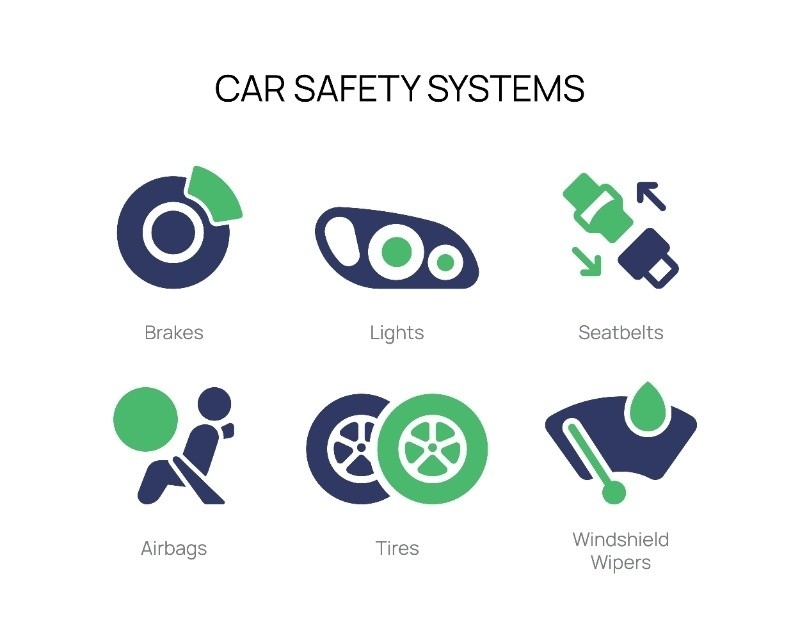
The real value of car safety features shows up during normal driving. Not during some dramatic movie-style accident, but on an average Tuesday. Someone brakes suddenly at a signal. A cyclist appears near the passenger side. A car in the next lane sits exactly where the mirror does not show it. These are ordinary moments, but they can become expensive or dangerous very quickly.
Modern vehicles now use sensors, cameras, radar, and software to watch parts of the road that the driver may not catch in time. This is why advanced car safety technology feels less like a luxury now and more like basic sense.
Of course, no feature can replace careful driving. A driver still needs to check mirrors, keep distance, slow down in bad weather, and stay awake. The technology helps, but it does not take full responsibility.
Automatic emergency braking is one of those features that may never be noticed until the day it matters. The system watches the road ahead and warns the driver if a collision seems likely. If the driver does not react fast enough, the car may brake on its own.
This type of crash prevention technology can be helpful in traffic, near schools, at crossings, and during sudden stops. It is easy to think, “They would brake in time,” but real roads do not always give that much warning.
AEB is not perfect. Rain, dirt, poor sensors, sharp angles, or high speed can affect how well it works. Still, it adds a layer of protection that can reduce impact or sometimes avoid a crash.
A buyer should not just see “automatic braking” and move on. They should check:
The same feature name can mean different things across brands.
Blind spot monitoring is simple, and that is why people like it. A small light appears in the side mirror when another vehicle is in the blind spot. If the driver tries to change lanes, the system may give a warning.
This is one of the best safety features in cars in 2026 because it helps with something drivers deal with every day. Lane changes are common, but they are also one of those moments where a tiny mistake can cause a crash.
The system does not remove the need to check mirrors or look over the shoulder. That habit still matters. But the warning gives one more chance to notice what may have been missed.
For highway drivers, this feature can make a big difference in confidence.
Lane keeping assistance helps when the vehicle starts moving out of its lane without signaling. Sometimes it gives a warning. Sometimes it gently guides the steering back.
This is part of many modern driver assistance systems, and it can be very useful on highways or long drives. A person may not realize they are drifting until the tires touch the lane line. Fatigue does that. So does distraction.
Still, this feature has limits. It may not work well when lane markings are faded, covered by water, or confusing because of road work. Some systems also feel too strong or too sensitive, which can annoy drivers.
The best version feels gentle, not bossy.
Adaptive cruise control is made for people who spend a lot of time on highways. The driver sets a speed, and the car adjusts itself based on the vehicle ahead. If traffic slows, the car slows. If the road opens up, it speeds back to the selected limit.
It sounds simple, but it can make long drives less tiring. Constant braking and accelerating wears people out, especially during daily commutes.
This feature does not mean the driver can relax completely. The road still needs attention. Cars may cut in suddenly. Traffic can behave badly. But adaptive cruise control can make steady driving feel smoother and less stressful.
On a Related Note: Difference Between All Weather Tires VS All Season Tires
Driver attention monitoring is one of the more interesting safety features because it focuses on the person behind the wheel, not just the road. Some systems study steering behavior. Others use cameras to check eye movement or head position.
This kind of advanced car safety technology matters because distracted and tired driving are both serious problems. A driver may think they are fine, but their reaction time may already be slower.
The system may suggest a break, make a sound, or show a warning if it notices signs of fatigue or distraction. Yes, it can feel irritating. But sometimes the irritating warning is the one that prevents a bad decision.
Anyone who drives late at night or after long workdays may appreciate this feature more than expected.
Reversing from a parking space can be awkward. The driver may not see past a large SUV, a wall, or another parked car. By the time a moving vehicle appears in the mirror, it may already be too close.
Rear cross traffic alert warns the driver when something is coming from the side while reversing. Some systems can also brake if the driver does not respond.
This feature is very helpful in grocery store parking lots, apartment buildings, malls, schools, and narrow driveways. It is not a flashy feature, but it is practical.
A small parking accident may not seem serious until there is a repair bill, an injury, or a shaken-up pedestrian involved.
A 360-degree camera system gives the driver a full view around the car on the screen. It is especially helpful in larger vehicles, where judging corners and blind areas can be difficult.
When people talk about the best safety features in cars in 2026, this one should not be dismissed as just a parking tool. It helps drivers see curbs, posts, walls, children’s toys, pets, and low objects that may not show clearly in mirrors.
It makes parking easier, yes. But it also reduces the chance of small accidents that happen at low speed.
The only catch is that cameras need to stay clean. Mud, rain, dust, and glare can make the view less clear. So the driver still needs to look around properly.
Good headlights are not exciting in a showroom, but they matter on real roads. Anyone who has driven at night with weak headlights knows how tiring it feels. The eyes work harder, reaction time becomes shorter, and every shadow looks suspicious.
Modern cars may offer LED headlights, automatic high beams, adaptive lights, and cornering lights.
This is basic safety, but it is often underrated. Before any sensor helps, the driver needs to see the road properly.
For people who drive on highways, rural roads, or poorly lit streets, better headlights can be just as important as any screen-based feature.
Many buyers focus on the driver seat during a test drive. That makes sense, but safety should include everyone in the car. Children, older passengers, friends, and family members often sit in the back.
Modern vehicles may include rear seat belt reminders, side airbags, stronger side-impact protection, better child-seat anchors, and rear occupant alerts. These features may not feel exciting, but they matter during real use.
Many mandatory car safety features already include things like airbags, seat belts, rear cameras, and stability control in several markets. Still, buyers should not assume every car gives the same level of protection.
A truly safe car should protect the people in the back, not only the person holding the steering wheel. How To Compare Safety Tech Before Buying?
Safety feature lists can be confusing. One model may have a long list, but half of it may be available only on the top trim. Another car may have fewer features, but the ones it offers may work better.
The best way to compare is to slow down and check carefully. What is standard? What is optional? What is missing? How much does the package cost? Are the sensors expensive to repair? Does the system feel smooth during a test drive?
The best modern driver assistance systems should feel helpful, not stressful. If the alerts are too loud, too frequent, or confusing, the driver may start ignoring them. That defeats the point.
A buyer should test the camera, blind spot warning, lane support, and parking aids if possible. A short test drive can reveal more than a brochure.
Also Read: How AI in Cars' Safety Protects Drivers and Pedestrians
The phrase “mandatory car safety features” can sound clear, but it is not always simple. Some features are required by law. Others are strongly encouraged because buyers now expect them.
That is why checking the exact model matters. A car may look modern and still miss features like blind spot monitoring or adaptive cruise control. Another car may include automatic braking, but only on a higher trim.
Buyers should ask direct questions. Is it standard? Is it optional? Does it work at all speeds? Does it protect pedestrians? Does it cover rear passengers properly?
In many cases yes. Safety features can help to prevent accidents, lower stress, and make everyday driving go more smoothly. But buyers should not pay extra blindly. They should consider what features they will actually use, how well they work, and whether they are available in a better-value package. Some features are worth more than cosmetic improvements.
Some of them do, yes. Cameras, radar sensors, and parking sensors need to be clean and properly aligned. Some systems may have to be recalibrated after a collision repair, windshield replacement, or bumper work. If you see warning lights or the system is acting weird, it should be looked at, not ignored.
Yes. Having good safety tech in a vehicle doesn’t mean it’s safe if the tires are worn, the brakes are weak, the lights are damaged or the suspension parts are neglected. Safety features are helpful, but they can't substitute for poor maintenance. Good technology and regular care are needed for a safe vehicle.
This content was created by AI