

Cars are changing fast. Quietly, but fast. A vehicle is no longer just an engine, seats, and wheels moving from one point to another. In 2026, many cars think, collect data, react to roads, warn drivers, and even talk to nearby systems. That shift matters more than most people realize. Cities are growing, roads are packed, fuel costs keep moving, and traffic feels endless. Connected driving is not some future idea anymore — it already sits in parking lots, highways, and office spaces. In this blog, we will look at why connected cars matter for mobility, safety, cities, drivers, and transportation systems in 2026.
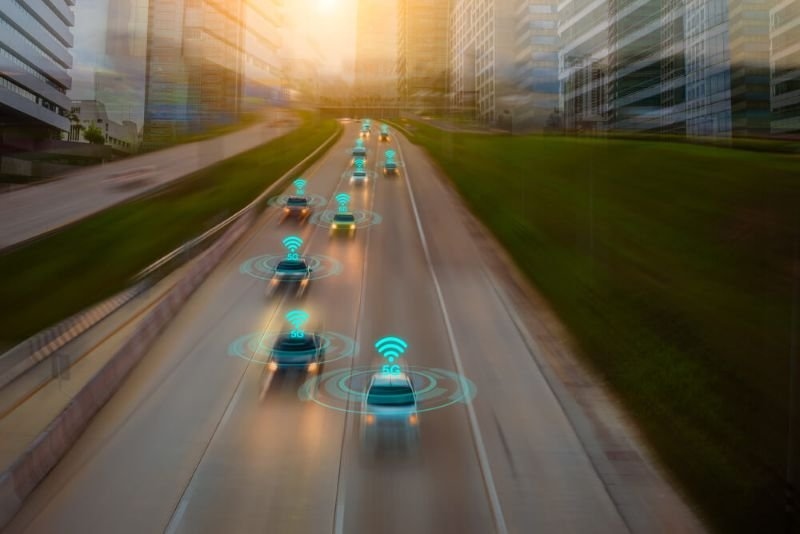
Connected cars are basically vehicles that stay hooked up to the internet, constantly sending and receiving data. They communicate with traffic systems, nearby vehicles, apps, cloud platforms, or even repair centers. Small things happen first — live navigation, software updates, parking alerts. Bigger changes follow.
The real value is the speed of information. A car that knows traffic conditions before reaching congestion saves time. A system warning drivers about accidents ahead lowers risk. Every little improvement adds up, even if you don’t feel it right away.
Here’s what they really do:
Connected cars keep getting smarter, but honestly, they’re already pretty handy.
Also Read: Top Luxury Car Features Redefining Premium Driving
Smart movement is becoming less about owning vehicles and more about moving efficiently. That shift explains why smart mobility technology matters in 2026.
A connected car becomes part of a wider network instead of acting alone. Roads, signals, parking spaces, navigation systems — everything slowly links together.
Traffic systems today are beginning to react in real time. Signals can adapt based on vehicle flow rather than fixed schedules. Some cities already test systems where cars send movement data anonymously to reduce jams.
This sounds technical. It is, somewhat. But the result is simple — shorter waiting times.
Daily commuting drains people. Long queues, missed turns, surprise congestion. Connected systems reduce some of that frustration.
Navigation apps inside connected cars adjust routes instantly. If one road slows, alternatives appear almost immediately. Sometimes the saved time is ten minutes. Sometimes thirty.
Road safety remains one of the strongest reasons these vehicles matter.
Internet-connected vehicles gather and share information while moving. If another vehicle brakes suddenly, nearby systems may warn drivers before they even notice danger ahead. Seconds matter during accidents.
Older warning systems felt basic — seatbelt reminders or simple alarms. New systems go further.
They keep an eye on things like:
They’re not here to drive for you, just to back you up.
Some connected vehicles can automatically contact emergency services after serious crashes. Location details may also be shared, helping responders arrive sooner.
That matters in cities, but even more on highways or isolated roads where delays become dangerous.
The phrase automotive IoT sounds technical, maybe overcomplicated. It simply means connected devices and systems working inside vehicles.
Cars today collect huge amounts of information. Fuel use, tire pressure, battery health, brake conditions, engine performance — everything gets monitored.
Nobody likes unexpected repair bills.
A connected system may detect unusual engine activity before something fails badly. Drivers receive warnings early instead of waiting until damage grows expensive.
All this changes car ownership in real ways:
Nothing flashy—just genuinely useful.
Dive Deeper: How Groundbreaking Technology Is Transforming Auto Safety
Cars are becoming digital spaces. That may sound odd, but it is true. Entertainment, navigation, diagnostics, and voice assistants — much of the driving experience now runs through digital vehicle systems.
People expect convenience. They want smoother experiences without extra effort.
Connected cars remember settings. Seat position, preferred music, climate controls, and route history. Tiny details, yet they make driving feel easier.
One family car can adjust based on who enters. Less manual setup. Less irritation.
Vehicle data also helps manufacturers understand common issues or system failures. Problems can be identified faster across thousands of vehicles.
That means better long-term reliability.
Transportation planning is shifting because cities cannot keep expanding roads forever. Space runs out. Budgets tighten. That is where smart transportation enters.
These cars don’t operate alone— they connect with public transit, ride-sharing apps, parking systems, traffic sensors, and electric charging points. It all works together.
Cities push for fewer traffic headaches, too. Parking apps show you open spots in real time, while traffic sensors track the flow so planners can smooth things out. Connected cars just plug into this bigger picture, making your drive easier.
The goal is not perfection.
Connected car technology works especially well with electric cars. Drivers can find charging stations quickly, monitor battery use, or estimate remaining range more accurately.
Range anxiety still exists for many drivers. Better connected systems ease some of that pressure.
Connected driving is no longer an experiment sitting in tech labs. It is happening now, quietly changing how people move every day. Better traffic management, faster safety warnings, smarter maintenance, easier commuting — these things matter because time, fuel, and safety matter. Connected cars will not erase traffic or make roads perfect.
For drivers, the perks are clear. You get real-time traffic updates, collision warnings, remote check-ups, and alerts for service before things go south. Everything just feels more effortless.
Some things still work when you’re offline, like essential driving systems and any maps you’ve saved ahead of time. But if you’re looking for live traffic updates, remote monitoring, or those cloud-based alerts, you’re probably out of luck until you reconnect.
No, all this tech doesn’t mean higher costs. Actually, it helps you spot problems early, so you handle maintenance before something blows up. Routine prevention usually beats expensive repairs, even if you occasionally need a specialist to take a look at the software.
Yes, to a point. These cars share real-time traffic info, so they can help you dodge traffic jams. City planners also use all that shared data to tweak traffic lights and curb congestion over time.
This content was created by AI