

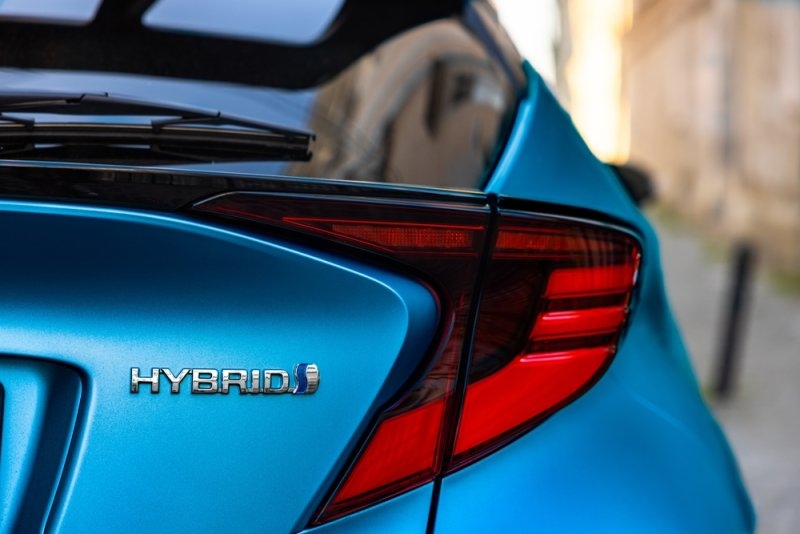
The car market in 2026 feels way different from what it did just a few years ago. Remember when it seemed like electric vehicles were about to take over everything? Automakers jumped in, buyers were excited, and it looked like EVs would dominate the streets. But things have changed—little by little. Now, more people are shifting toward hybrids instead of going fully electric.
That change isn’t really about emotion. It’s just practical. People still want to spend less on fuel and drive cleaner cars, but they don’t want a bunch of extra hassles. That’s where hybrids shine. You get better efficiency without having to rethink your whole life. No worries about finding a place to charge, no stress about the car’s range, none of that. Just get in and drive—it’s easy.
This blog takes a closer look at why hybrids are picking up so much steam in 2026, what's driving market trends, and why buyers are leaning this way right now.
Hybrid Cars 2026 are becoming one of the strongest categories in the auto market. Buyers are responding fast. Faster than many analysts expected. The appeal is simple. Hybrids feel practical.
They combine gasoline engines with electric power, giving better fuel economy without fully depending on charging infrastructure. For many buyers, this feels like the middle ground that makes sense.
Consumers like EV car technology. That hasn’t changed. What has changed is buying behavior. People are thinking harder before spending big on a new car. Cost matters more. Convenience matters too.
Let’s be real—hybrids solve most of the things that bug people about EVs:
All this just makes hybrids the easier choice.
Current Hybrid vehicle trends show one clear shift. Demand is rising across nearly every segment. Sedans, SUVs, crossovers, even trucks—hybrid adoption is spreading fast. Automakers are expanding hybrid lineups because demand is real.
Major car brands are putting more resources into hybrid production. Now, things have shifted. A lot of buyers still want cars that are efficient, but not everyone’s ready to make the leap to fully electric.
The market forced adjustment. Automakers follow demand.
SUV buyers are especially interested in hybrids. That makes sense. SUV owners want space, power, plus efficiency. Hybrids give better mileage without sacrificing practicality.
For family buyers, this combination feels attractive. Practicality keeps winning.
The debate around hybrid vs. electric cars has become more realistic in 2026. A few years back, conversations were more idealistic. Now buyers ask practical questions. Daily use matters more than hype.
Electric vehicles still have clear advantages. They offer zero tailpipe emissions, lower maintenance, quiet driving, plus strong acceleration. For urban drivers with home charging, EV ownership can work really well.
That part remains true. EVs are not failing.
Hybrids work well across more situations. City commuting. Highway travel. Long-distance road trips. Rural driving. Hybrids adapt easily because refueling remains quick and familiar.
That flexibility matters. Especially for buyers who cannot install home chargers.
The Best hybrid cars in 2026 are winning because they deliver real-world value. Good mileage. Reliable performance. Lower fuel costs. Buyers are choosing vehicles they trust.
Hybrid sedans are still popular. Folks like that they’re reliable, comfortable, and easy on the wallet. You get solid gas mileage and peace of mind about maintenance—not a bad deal. These cars appeal to commuters and city drivers.
They remain strong value choices. Quietly dependable.
SUV hybrids are growing faster than almost any other category. Families want larger vehicles but dislike rising fuel costs. Hybrid SUVs solve that problem by improving mileage while keeping space and comfort.
That combination is powerful. Very hard to ignore.
Demand for Fuel-efficient vehicles is climbing because operating costs remain a major concern. Fuel prices still fluctuate. Economic uncertainty hasn’t fully disappeared. Buyers want vehicles that reduce long-term spending.
Many buyers now calculate long-term ownership costs before purchasing. Fuel, maintenance, repairs, resale value—all of it matters. Hybrids perform well in this comparison because they reduce fuel spending without adding major charging concerns.
That improves confidence. Let’s face it, affordability wins a lot of arguments.
Plenty of buyers worry about emissions and want to lower their carbon footprint, even if they can’t switch to a full EV just yet. Hybrids give them a way to do better for the planet without having to change everything about their budget or daily life. Hybrids offer a practical step in that direction.
Progress does not need to be extreme. Incremental change still matters.
The Future of hybrid cars looks stronger than many expected. For years, hybrids were treated as temporary transition vehicles. That thinking is changing now. They are becoming a serious long-term category.
Demand is proving that. Consumers are choosing based on practicality.
The path toward full EV adoption may take longer than predicted. Charging infrastructure gaps, battery costs, plus consumer hesitation are slowing the transition in many markets. Hybrids fill that gap effectively.
Also Read: Top Luxury Car Features Redefining Premium Driving
The main reason we’re seeing more hybrids on the road? Balance. People want less fuel cost, fewer emissions, and a car that fits their life—without jumping through hoops. Hybrids nail that middle ground. Flashy tech is cool, but everyday convenience matters more to most drivers.
That’s not to say EVs don’t have a future. They do—no doubt about it. But right now, buyers want what's practical. Budget, infrastructure, and daily routines are shaping their choices, and hybrids are hitting that sweet spot.
Simple—hybrids save fuel and don’t make you deal with charging worries. Drivers like having lower fuel bills and being able to just drive without extra planning.
Absolutely. Hybrids handle long distances well because you don’t have to stop and charge. That’s a huge plus for road trips, especially for drivers covering frequent highway miles.
Usually, yes. They often need less brake work thanks to regenerative braking, but it really comes down to the car and how you drive. Most owners find the costs pretty reasonable.
Looks that way. Unless charging gets a lot easier and EVs get cheaper, hybrids will stay relevant for a lot of drivers around the world for many years ahead.
This content was created by AI