

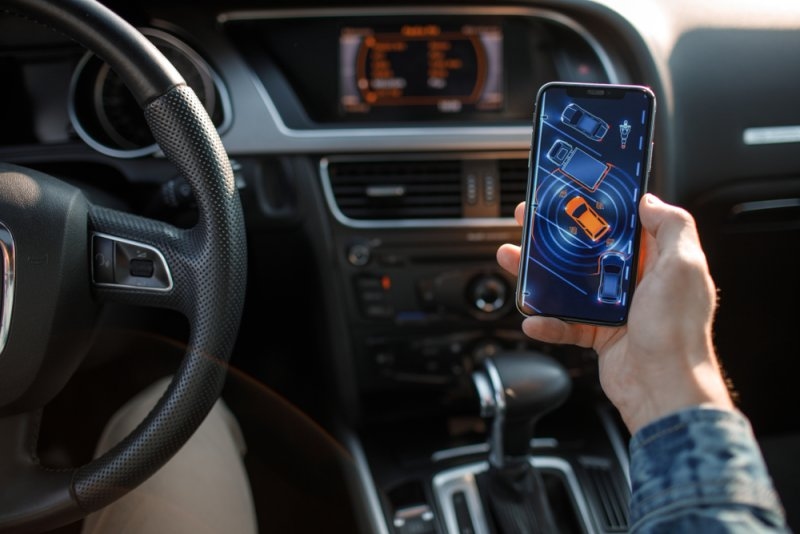
You know the feeling. You're already running late, and now you're on your third loop around the block hoping a spot magically opens up. Meanwhile the gas gauge is dropping and so is your patience. This is basically the problem smart parking technology exists to fix. Sensors, apps, and live data are quietly replacing all that guesswork, and for drivers and cities alike, that's a pretty big deal. Let's get into how it actually works and why it's worth paying attention to.
At the most basic level, smart parking technology tracks open spots in real time and passes that information along through apps or city dashboards. Instead of driving around hoping, drivers just know.
That's a bigger shift than it sounds like at first. Parking used to run entirely on guesswork. Now sensors buried in the pavement or mounted above spaces do the guessing for you, and they're rarely wrong.
Because the system updates constantly, so do the guidance drivers receive. A spot opens up, the map changes. Someone pulls in, and it changes again.
Parking sensors are really the backbone here. Small devices, often magnetic or infrared, sit in or above a space and detect whether a car is parked there.
Roughly, here's the flow:
Because these sensors are always running, the data holds up throughout the day. Compare that to the old way of doing things, where a hand-painted sign or a manual headcount was already stale by the time anyone read it.
Cities that install sensors widely usually notice something concrete: less time spent hunting for spaces, which in turn means less wasted gas and lighter traffic.
Sensors tell you where spots are. Automated parking takes it further by handling chunks of the process itself. A few garages now use robotic systems that park and retrieve your car, so squeezing between two SUVs is no longer your problem.
Other versions of automated parking are more about access and payment. Gates that lift automatically after reading your license plate. Fees are calculated and charged with no ticket booth in sight.
Why does this matter? Automated systems can pack more cars into the same amount of space, since nobody needs to open a door or walk between rows. For whoever owns the lot, that's more capacity without adding an inch of concrete.
Must Try: Smart Parking Technology: Save Time, Fuel & Stress Daily
Parking doesn't happen in a vacuum. It's tied into a much bigger transportation picture, which is where connected cities come in. Planners are linking parking data to traffic signals, transit schedules, and navigation apps more than ever before.
In a connected city, parking data becomes part of a bigger conversation about traffic. If downtown is nearly full, the system might reroute drivers to a garage a few blocks over, or nudge them toward transit before things get backed up.
That kind of coordination adds up:
| Benefit | Impact on Connected Cities |
| Less circling traffic | Lighter congestion downtown |
| Better planning data | Smarter infrastructure decisions |
| Lower emissions | Fewer cars are idling while searching |
| More transit use | Easier to compare driving vs. transit |
Cities that invest here are treating parking as one gear in a bigger machine, not something bolted on as an afterthought.
For most people, the app on their phone is really the whole experience. Parking apps take data straight from sensors and city systems, then hand it to you in a format you can actually use on the go.
A decent parking app usually covers:
These apps strip out a lot of the friction that used to come with parking. Instead of hoping for the best, you already know a space is waiting.
Plenty also connect to digital wallets or loyalty programs, so the paying part moves just as fast as the finding part did.
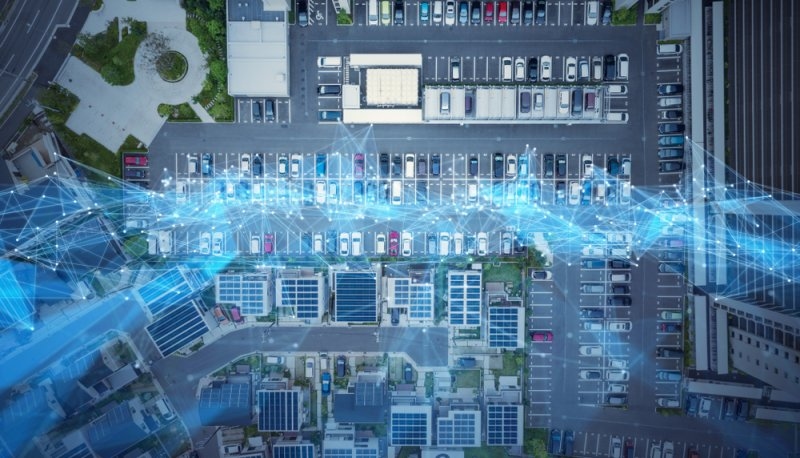
The benefits of smart parking go well past convenience for individual drivers. Add it all up, and it touches fuel use, air quality, city revenue, and even how stressed out people feel behind the wheel.
Put together, these benefits make a strong case for wider adoption — and not just in big cities. Mid-sized towns and busy commercial areas stand to gain just as much.
Smart parking is only going to get smarter. Here's what's on the horizon:
Basically, smart parking technology is moving past just "finding a spot" and becoming a real piece of how cities manage traffic and mobility as a whole.
As more cities lean into becoming truly connected, this kind of technology is likely to stop feeling like a novelty and start feeling like the baseline. People expect instant information everywhere else in their lives, and parking is finally catching up to that expectation.
Between sensors, automated systems, and apps that actually work, what used to be one of the more stressful parts of a daily commute is turning into something closer to routine. Less circling, more certainty for drivers. Better data, smoother streets for everyone else.
Also Read: 2027 McLaren 788HS First Look: Everything You Need to Know
It’s basically a setup that uses sensors plus an app to watch which spots are empty, more or less in real time, so you can grab a space faster instead of wasting time looping around, trying to “guess” where a car isn’t.
A lot of them use magnetic detection or infrared detection, so when a car comes in or goes out, the system senses it, then it pushes the info right away to the app or a linked system.
Not really, it used to be mostly for large buildings, but now smaller lots and even street parking can get these automated payment and access features too.
It gives city planners real-time insights about parking pressure and demand, which can help smooth traffic movement, reduce congestion, and generally plan new infrastructure in a more reliable way.
Usually, you can download them for free. But you still pay the normal parking charges; it’s just that you pay through the app rather than at a meter or booth, which sounds small but feels different.
This content was created by AI