

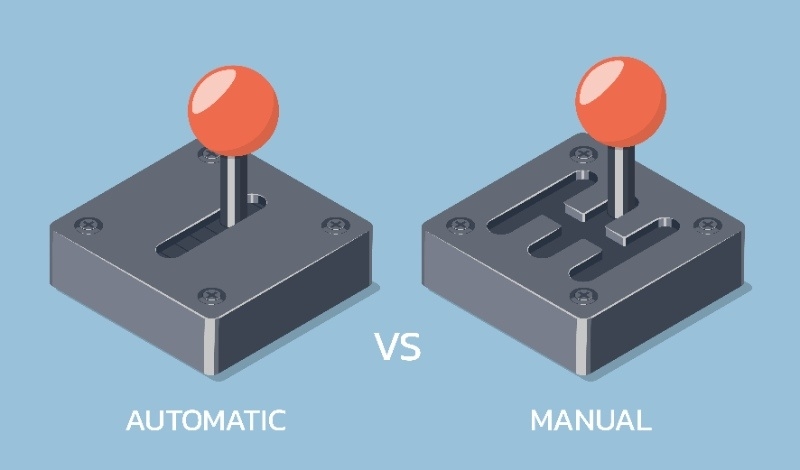
The debate around manual vs. automatic car ownership often focuses on driving comfort and control. Yet maintenance is just as important when choosing between the two systems.
This blog will explain to you how automatic vs. manual transmission systems are different from each other. It will also cover the most useful transmission maintenance tips and key service areas.
Must Read: 6 Overlooked Luxury SUV Bargains Becoming Future Classics
A clear understanding of automatic vs. manual transmission systems helps drivers recognize why maintenance needs are different.
A manual system depends on direct driver input to change gears. The driver presses the clutch and selects gears using the gear lever. The system itself is mechanically simple, but it requires careful driving habits to avoid damage over time.
An automatic system performs gear changes on its own. Sensors and internal components manage the shifting process while the driver focuses on steering and speed control. This design makes driving easier in traffic, but the internal structure is more complex.
Because of these structural differences, the manual vs. automatic car comparison often highlights maintenance as a key factor. Manual systems are usually easier to service because they contain fewer internal parts. Automatic systems contain additional components that need careful attention during service.
Maintenance schedules also vary slightly. Automatic systems depend more on fluid health and internal system calibration. Manual systems depend more on driver habits and mechanical wear inside the clutch and gearbox.
Learning how the clutch works can help us understand why cars with manual transmissions require a different type of maintenance. The clutch is used to connect the engine to the gearbox. Using the clutch allows us to change gears smoothly. Pressing the clutch pedal allows us to change gears without damaging any inner parts of the gearbox.
Too many drivers are unaware of this. Riding the clutch or having your foot hovering over the clutch while you are driving is detrimental to your car. Eventually, this causes your clutch to wear out because you are putting too much pressure on your clutch plates.
This is why good driving habits are important. Good driving habits can help extend the lifespan of your clutch.
Top Pick: How to Jumpstart a Car With a Battery: Step-by-Step Guide
You can follow the below practical transmission maintenance tips to keep your car in good shape in the long run:
The transmission fluid helps in cooling and lubricating the engine’s internal parts. If the fluid has gone bad, there will be increased friction and erratic gear shifts.
If there are jerks, slow gear shifts, and grinding noises, it could be an indication that mechanical problems are brewing. It’s always good to check on these issues before they become major problems.
Cold gears and internal plates don’t move smoothly, and that can cause mechanical problems.
Gearbox maintenance is equally important for both manual and automatic transmissions. The reason is that it is the gearbox that delivers the power from the engine to the wheels.
One good habit is to avoid quick gear changes while accelerating hard on the pedals.
Another good practice is to avoid resting your hand on the gear lever for long periods, as it will slowly wear out the shifting mechanism.
Another good practice is to regularly check for any fluid leakage or unusual vibration, as these may cause problems.
Regular transmission fluid maintenance and smooth driving will result in a soft engagement of the internal gear surfaces. These practices will reduce friction and result in a soft engagement of the gears over a period of time.
While comparing the longevity of a manual and automatic car, it is the gearbox that is at the core of it. A well-maintained gearbox will result in effortless driving and reduce mechanical stress.
Being aware of the gear systems and how they react is a good practice, as it will result in a longer lifespan of the transmission parts.
Below are several important maintenance differences that often influence the manual vs. automatic car decision.
Manual systems contain fewer electronic components and rely mostly on mechanical parts. This simpler structure often makes inspection and service easier for technicians. However, long-term performance strongly depends on responsible driving habits and proper clutch use.
Automatic systems include additional components that manage gear shifts and internal pressure control. These features improve driving comfort, especially in traffic conditions. At the same time, the extra complexity means the system requires careful fluid management and timely inspections.
Driver behavior plays a much larger role in manual vehicle maintenance. Incorrect gear usage or aggressive clutch handling can speed up internal wear. Automatic systems reduce driver involvement, but they still depend on proper servicing and clean transmission fluid.

Good driving practices make a difference in the longevity of your transmission. A small amount of attention to the car’s behavior will help you avoid expensive mechanical problems.
Shift your gears smoothly and do not jerk the lever. Jerking the lever will cause excessive wear and tear.
Allow your car to slow down by itself before shifting up or down. A relaxed state of the transmission will cause less wear and tear.
Parking is also important. Engage your parking brake before shifting your transmission to relieve the internal parts of your transmission when your car is stationary.
Be aware of unusual happenings on the road. A slow response from your transmission is a warning.
These are good driving practices that will ensure the longevity of your transmission, irrespective of the type. Good driving practices are one of the simplest ways of maintaining your car’s performance.
Selecting a transmission system is all about comfort and style, but maintenance is equally important. Understanding the system, regular maintenance, and identifying symptoms of a faulty transmission system will ensure that your car’s performance is never compromised.
Manual transmissions require the driver to change gears using a clutch pedal and gear lever. Automatic transmissions shift gears automatically using internal components that respond to speed and engine conditions.
Automatic systems require careful fluid monitoring and internal inspection. Manual systems are simpler but depend more on proper driving habits and clutch handling.
Transmission fluid lubricates internal components and prevents overheating. Clean fluid allows smooth gear engagement and protects internal surfaces from excessive friction.
This content was created by AI