

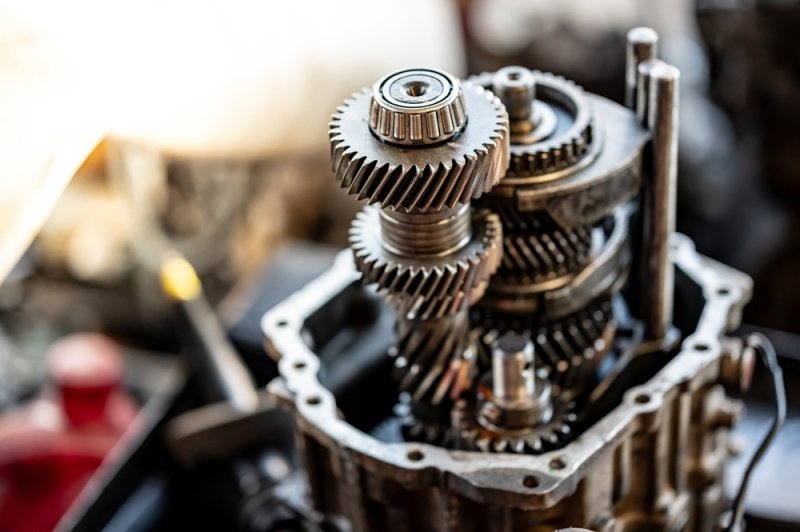
Stomping a heavy clutch pedal in dead traffic destroys knees. Buyers actively hate shifting gears manually during a brutal daily commute. Automakers basically killed the old stick shift because nobody wants to work that hard behind the wheel anymore. Ditching the third pedal completely changes the morning drive. The car takes over the heavy lifting, letting drivers actually drink coffee without stalling out. Figuring out the exact mechanical hardware prevents massive repair bills later. You must research the different types of automatic transmission before signing the paperwork. People just assume every car shifts exactly the same way. That blind assumption costs thousands of dollars when a notoriously cheap plastic gearbox violently shatters right on the highway.
Must Read: What Affects the Final Price of Transmission Repair Cost?
Walking into a dealership means facing a giant wall of confusing car jargon. Sales guys throw random acronyms around to justify jacking up the final sticker price. Knowing the hardware prevents getting scammed.
Old school cars use heavy fluid pressure to shift gears. It burns more gas but rarely completely blows up. These heavy metal units easily handle massive V8 engines without breaking a sweat.
Scooters use this exact same tech. A steel belt slides up and down constantly to keep the engine spinning perfectly without any actual gears shifting. It maximizes fuel efficiency on long boring highway trips.
Race cars run on this brutal system. One clutch holds the current gear while the second one gets the next gear completely ready to slam into place instantly. It hits hard and shifts faster than a human ever could.
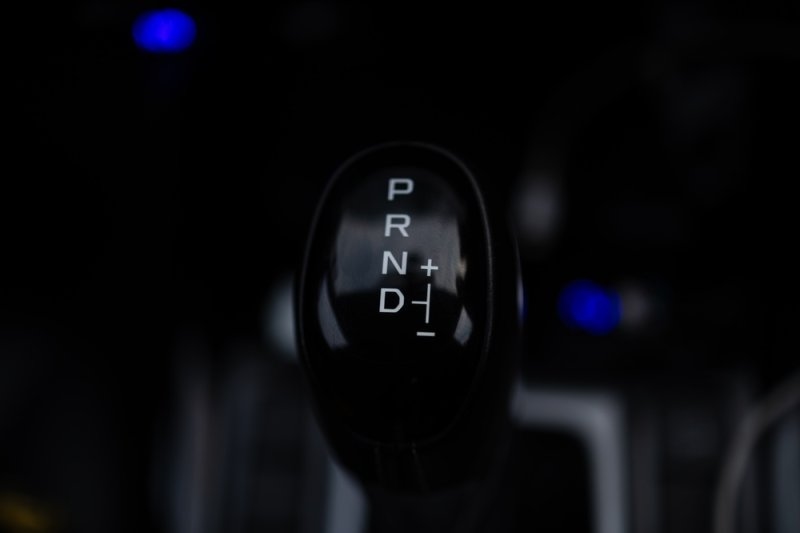
Picking the wrong mechanical setup ruins the daily commute immediately. Different driving styles strictly require totally different metal boxes sitting under the hood. Avoid the wrong hardware to save the driving experience.
Cheap city cars love this incredibly basic setup. It is literally just a normal manual gearbox, but cheap computer sensors physically move the clutch for the driver. It jerks horribly at low speeds but costs almost nothing to manufacture.
Drivers still shift the metal stick by hand, but the foot pedal vanishes entirely. Sensors read the hand movement and instantly engage the clutch electronically. It gives the illusion of a manual without the brutal leg cramps.
Rubber bands and metal cones replace standard steel cogs completely. The car sounds exactly like a dying vacuum cleaner when accelerating, but it delivers massive fuel savings. The engine just drones at one loud RPM forever.
Throwing extra cash at the dealership completely eliminates driver fatigue. Dropping the third pedal physically changes how the human body survives a horrible commute. The upgrade immediately pays off during rush hour.
Creeping forward three feet at a time completely tortures the left leg. Letting a computer handle the friction point saves joints from brutal repetitive strain. Commuting stops feeling like a horrible gym workout.
Rollback terrifies rookie drivers. Letting go of the brake on a massive hill no longer causes sheer panic because the computer locks the wheels instantly. The car just holds perfectly still without pulling the emergency brake.
Used car buyers absolutely refuse to touch stick shifts today. Checking the automatic box guarantees a faster sale when trading the car transmission types in later. Manuals just rot on the used car lot for months.
Making a fast decision on the lot traps buyers in the wrong mechanical setup. Evaluating a brutal transmission comparison saves thousands in future repair bills. Never buy a car blindly without researching the specific metal box.
Standard fluid gearboxes take a beating and survive. But replacing a shattered dual-clutch computer easily totals a cheap used car. Fixing the complex dual plates costs thousands of dollars instantly.
Belt-driven setups maximize every single drop of fuel by hovering at perfect RPMs. Heavy hydraulic units naturally waste gas to build internal pressure. Picking the belt saves heavy cash at the gas station.
Aggressive drivers hate rubbery belts. They specifically demand the sharp, harsh shifts of a dual-clutch to actually feel the metal parts engaging. Knowing what feels right stops extreme buyer remorse.
Picking the right metal box underneath the floorboards completely dictates the daily driving experience. Stop guessing at the dealership and demand to know exactly what shifts the gears. Comparing the different types of automatic transmission prevents buying a laggy, stuttering nightmare.
Traditional setups use red ATF fluid, while modern continuous variable units demand specialized high-friction green fluids. Mixing them up instantly destroys the internal metal belts. Standard setups rely heavily on planetary gears, but newer tech uses literal steel bands to change ratios.
Running the vehicle identification number through an online decoder immediately reveals the exact factory gearbox code. This stops sketchy sellers from lying about the mechanical setup. You can literally read the metal tag on the driver-side door jamb to confirm the actual hardware.
Beyond the standard four main variations, electric hybrids utilize a highly specialized e-CVT. This specific setup ditches physical belts entirely and uses dual electric motors to manipulate gear ratios magnetically. It represents a massive technological leap way past the normal mechanical friction units.
Heavy-duty pickup trucks exclusively rely on massive ten-speed hydraulic converters. Dual-clutch friction plates simply shatter under the extreme heat generated by pulling massive boats or overloaded lumber trailers. Heavy towing strictly demands thick hydraulic fluid to prevent catastrophic metal failure.
Modern boxes rely heavily on a highly advanced Transmission Control Module. This dedicated computer constantly reads current throttle position and wheel speed to predict exactly when the driver wants to pass a slow truck. It calculates millisecond shifting decisions to keep the engine entirely safe.
This content was created by AI