

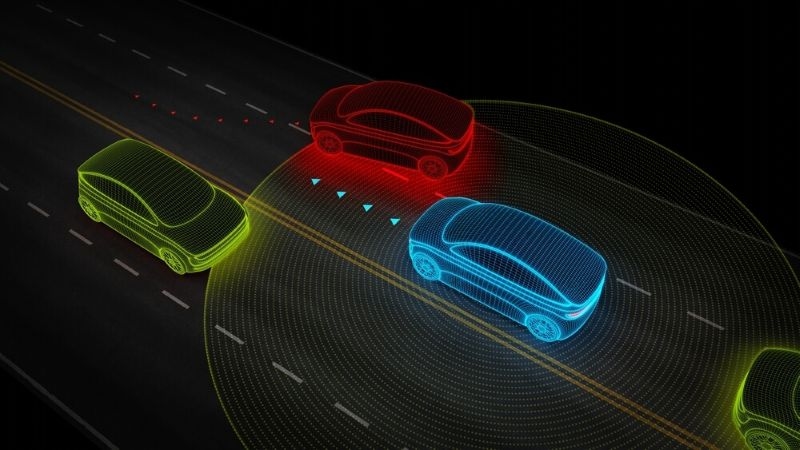
Cars have changed fast in the last few years. Bigger screens, smarter parking, and cameras almost everywhere. Yet one feature quietly became far more useful than people expected — the lane departure warning system. It does not look dramatic. No loud selling point. But on long drives or even boring city roads, it matters more than many flashy features.
People drift lanes for simple reasons. Fatigue. Looking at a phone for two seconds. Adjusting air conditioning. Sometimes the road itself feels repetitive, and the brain checks out a little. That is where this technology steps in. Not to drive the car for you, but to warn you before a mistake turns expensive or dangerous.
Many crashes happen because drivers unintentionally leave their lane. A tiny movement. A moment of distraction. That is enough. In this blog, we will look at how this feature works, why newer vehicles rely on it more, the difference between lane assist systems, the benefits, drawbacks, and when drivers choose to turn it off.
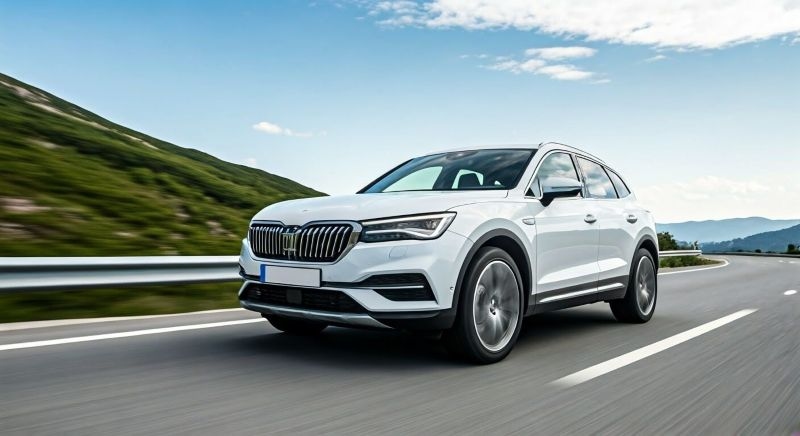
A lane departure warning system is built to alert drivers when the vehicle starts drifting out of its lane without using a turn signal. Simple idea, honestly. But useful.
Most systems use cameras near the windshield to watch lane markings. If the car starts moving sideways without indication, the driver gets a warning — maybe a sound, vibration in the steering wheel, dashboard alert, or sometimes a seat vibration. Different cars do it differently.
Drivers rarely drift intentionally. Usually, it happens because of small habits or bad timing.
Many people think the system somehow controls the entire car. Not exactly.
When talking about how lane departure warning works, the main thing to know is that cameras are doing most of the job. Usually placed near the rearview mirror, they scan road lines constantly.
The system watches lane markings. If your car moves outside those lines without signaling, it reacts. The warning can be visual, sound-based, or physical, like steering vibration.
The system knows the difference between drifting and intentional lane changes.
If you use your turn signal, it understands you mean to switch lanes and usually stays quiet. No warning. That part matters because nobody wants alerts every few minutes.
People mix these two features up constantly. Fair enough. They sound similar.
When comparing lane keep assist vs. lane departure warning, the biggest difference is intervention.
Lane departure warning only alerts the driver. That is it. You still control the correction. Think of it as a reminder.
Depends on the driver.
Some people prefer warnings only because they want full control over steering. Others like lane keep assist since it reduces stress on highways.
Still, neither system replaces attention. That gets misunderstood often. You are still responsible for driving — always.
A smart feature can reduce mistakes. It cannot remove them.
The list of cars with lane departure warning keeps growing. What used to belong mostly in luxury vehicles now appears in affordable cars, too.
Brands like Honda, Toyota, Hyundai, Ford, and Nissan include it in many newer models.
Some commonly seen examples include:
Even budget-friendly cars now carry features that once felt expensive. That shift happened quickly.
The real lane departure warning benefits are practical. Less dramatic than ads suggest, maybe, but useful.
Long highway drives wear people down. Eyes get tired. Attention drifts.
This feature helps catch those moments before they turn risky. A quick vibration or beep can snap attention back almost instantly. That alone matters more than people think.
New drivers panic easily. Lane positioning takes practice.
A warning system gives extra confidence without fully taking over the experience. Mistakes still happen, but drivers notice them earlier.
Many lane accidents happen gradually, not suddenly.
The vehicle inches toward another lane — another car already there. A warning gives drivers precious seconds to react. Sometimes, just one second changes everything.
There are moments when people decide to turn off lane departure warning systems. It sounds strange at first, but reasons exist.
Some drivers dislike frequent alerts on narrow roads or construction zones where lane markings are confusing. The system may beep too often.
Others turn it off in bad weather because snow or faded markings trigger false warnings.
Most of the time, yes.
For highways, everyday commuting, or long-distance driving, keeping the feature active makes sense. Even experienced drivers get distracted. Nobody is immune to that.
Still, knowing when it works best matters. Blind trust in technology causes problems, too.
Treat it like backup support — not the driver.
Also Read: Top 7 ADAS Features to Know for Safer Driving in 2025
The lane departure warning system matters because driving is messy. People get tired, distracted, and impatient. Roads change, weather shifts, attention slips for tiny moments that feel harmless until they are not. This feature catches some of those moments before they become real trouble. It is not perfect. It will miss things occasionally and sometimes overreact. Still useful. Maybe more useful than people expected when these systems first appeared.
Not really. Most systems kick in only at moderate or highway speeds, not in stop-and-go city traffic. Every car brand has its own limits, so it’s worth checking your owner’s manual just to be sure.
Nope. These systems rely on clear lane markings. If the road lines are faded, covered by snow or dirt, or just hard to see, the system struggles or stops working altogether.
It depends on what’s wrong. If you need the camera recalibrated after a windshield swap, that can get pricey. Software glitches are usually cheaper to fix. The exact cost really comes down to your car’s make and model.
Sometimes. Some insurers offer discounts for cars with advanced safety features because they cut accident risks. But it’s not a sure thing—discounts depend on the company and where you live.
This content was created by AI