

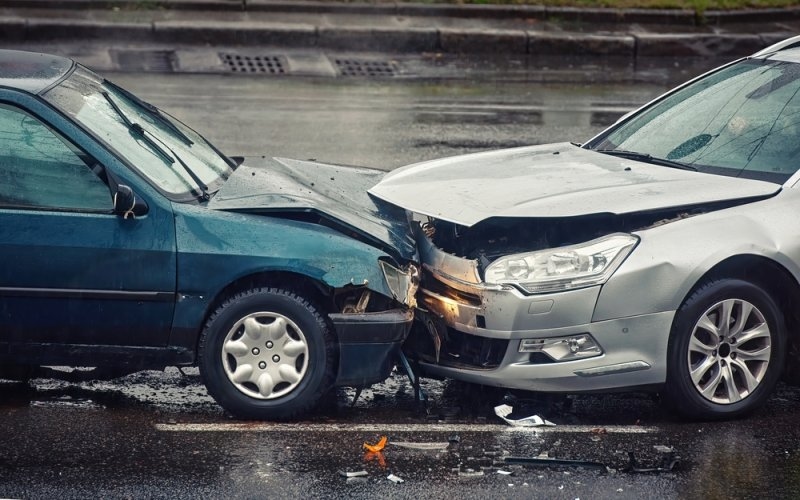
There is no doubt that among vehicle safety advancements, collision warning technology has become one of the most essential. The NHTSA reports that nearly a third of all vehicle crashes in the U.S. are rear-end collisions. As the automotive industry continues to innovate its safety systems, collision warnings help drivers detect potential accidents before they occur.
Despite skilled drivers constantly monitoring the road for hazards, distractions, the elements, and unpredictable traffic conditions, there are challenges in the quick reactions required for collision avoidance. This is where collision warning technology can become a driver's closest companion. Built to detect potential hazards ahead and alert the driver before a collision, these systems can serve as another layer of security on the road.
What exactly is a collision warning system, and how does it operate? In this overview, we will take a look at collision warning technology and driver assistance systems, explain the various warnings it can provide, discuss its benefits and limitations, and explain why these are important modern vehicle safety features.
An advanced safety technology, the collision warning system is designed to recognize a situation in which a crash may be imminent and to inform the driver before impact.
While automatic emergency braking may act for the driver, a collision warning system alerts the driver so they can take action to avoid a collision. Its purpose is to be able to provide the driver with enough additional reaction time to avoid a collision.
This technology is available in many modern vehicles and is usually part of various driver-assistance systems. Depending on the manufacturer, the technology may go by various names, but its purpose is to reduce the likelihood of accidents.
Try This: Why Lane Departure Warning System Matters in New Cars
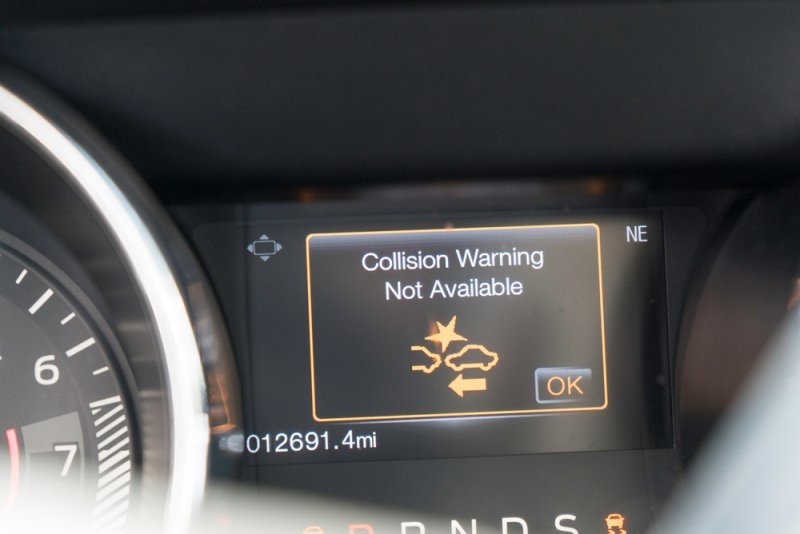
A collision warning system typically uses sensors, cameras, radar, and software to function. The system will continuously assess the roadway ahead, detect how close your vehicle is to other objects, and determine its current velocity.
The system will constantly monitor your surroundings via sensors, which look at:
All data is analyzed several times per second.
When the system detects an increasing risk of collision, it assesses how much reaction time the driver has before a crash may occur. If the risk level exceeds the predetermined safety threshold, the warning system is activated.
A collision warning system typically alerts the driver in several different ways to prevent an accident:
It is quite common for warning systems to use multiple alert methods at once.
Arguably the most common piece of vehicle safety technology currently available, a forward collision warning system directly monitors traffic and obstacles ahead of your vehicle.
When an obstacle ahead unexpectedly slows or stops, the system evaluates whether your vehicle will collide with it and provides a warning to prompt the driver to apply their brakes or turn the wheel to avoid the obstacle. Forward collision warning systems are most effective:
Many experts would say it is one of the most useful vehicle safety systems today.
The two terms are often used interchangeably, but are not the same:
Primarily notify the driver of an increased collision risk, rather than taking direct action to avoid it. It is up to the driver to take the corrective action after being warned.
These not only warn the driver but may even actively take action to prevent a collision, such as automatic emergency braking, Steering assistance, and Brake assistance. A number of cars feature both collision and warning systems.
Must Try: Top Car Safety Technologies in 2025 & Features To Look For
With collision warning systems on modern cars come potential safety benefits: Driver Reaction Time. Drivers may fail to recognize immediate dangers, and a warning system can alert them to potential hazards before they enter their field of vision. Those few extra seconds can really change a situation. Accident Risk. Many reports demonstrate the benefits of accident-avoidance systems. Specifically, forward collision warning systems can decrease rear-end collisions.
A driver can feel safer knowing their vehicle is actively monitoring traffic around them. While a vehicle is never a substitute for a responsible driver, having that extra buffer of security can improve peace of mind.
Collision warning systems complement vehicle safety systems, including the following:
By increasing the vehicle's overall effectiveness.
However, there are still certain limitations the collision warning system is prone to, and that should be considered by drivers:
The accuracy of the collision warning system is decreased by rain, snow, fog, and mud on cameras and sensors.
Some road conditions, unusual objects on the road, and difficult driving situations are not detectable by a collision warning system, and drivers should never rely solely on them.
Drivers should always remember that collision warning systems are simply supplemental tools and should never be considered an alternative to attentive driving.
Automakers are aggressively rolling out advanced safety systems across all vehicle segments, moving technologies such as collision warning systems from luxury-vehicle features to more commonly installed options in mainstream sedans, SUVs, and trucks.
The driving forces behind this trend include rising safety regulations, growing consumer demand for enhanced safety, technological advancements that reduce system costs, and an increased overall focus on collision avoidance. As technology improves, it is likely that collision warning systems will have even more advanced functions in the vehicles of the future.
Collision warning systems are an indispensable piece of technology that can make the automobile safer. Throughout this overview, we discussed what these systems are, specifically what forward collision warning systems do and how they operate, the distinction between collision warnings and collision avoidance systems, and the pros and cons of these incredible features. While not all driving hazards are preventable, these advanced safety systems can help drivers be aware of the road conditions around them.
As vehicle safety technologies constantly evolve, knowledge of these features will make it easier for consumers to make an informed decision when purchasing or operating a vehicle. Stay tuned to advancements in the automotive industry and always remember the importance of being a safe driver.
Most modern insurance companies recognize that the benefits of collision warning systems are risk-reducing. Because collision warning systems can often help reduce the occurrence of specific accidents, such as rear-end collisions, vehicles equipped with the system may even receive insurance discounts. However, car insurance rates vary by location, driver history, vehicle make and model, and provider.
Almost every collision warning system can be toggled on or off in a car's individual settings menu, either on the vehicle's touchscreen or in the settings system. Most manufacturers highly recommend keeping the system on for maximum security. Drivers should always refer to their car owner's manual to learn how to best customize their collision warning system and understand its various features.
The market for safety features includes aftermarket systems intended to add a collision warning system to an older car. Usually, these systems are set up with a camera, sensor, or dashboard device that uses these tools to analyze traffic. However, aftermarket collision warning systems are often less precise, integrated, or reliable than those in factory-equipped new cars.
This content was created by AI