

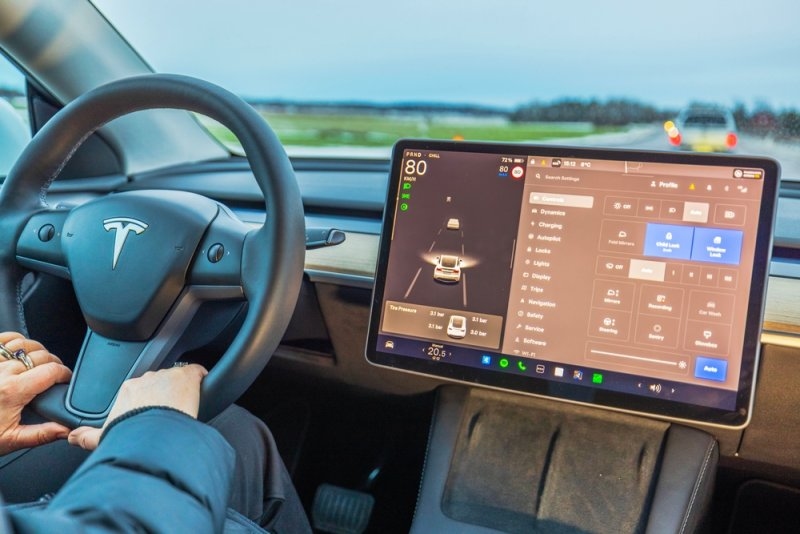
Navigating chaotic urban traffic or endless highway stretches can strain even the most focused drivers. A copilot car bridges the gap between human intuition and artificial intelligence, acting as an active digital guardian beside you.
According to traffic safety data from the National Highway Traffic Safety Administration, vehicle crash prevention tech like automated emergency braking reduces rear-end collisions by roughly 50 percent.
In this comprehensive guide, we will break down how an AI car assistant processes complex traffic environments in real time. We will examine how AI driving assistants work, explore how driver monitoring systems work in cars, compare a copilot car vs. an autonomous car, and explain how smart cars detect road hazards to keep your family safe on every journey.
A copilot car is a modern vehicle equipped with advanced electronic sensors, onboard computing power, and artificial intelligence designed to assist human drivers in real time. Rather than replacing the person at the steering wheel entirely, these vehicles operate on a collaborative framework. The digital system actively monitors surrounding traffic, evaluates driving hazards, and performs secondary driving tasks to make every trip smoother, safer, and less tiring.
Try This: How AI in Cars Safety Protects Drivers and Pedestrians
Modern copilot car technology integrates a wide range of active safety and convenience tools that operate quietly in the background. By fusing optical camera feeds with long-range radar and ultrasound data, the vehicle creates a constant high-definition map of its surroundings.
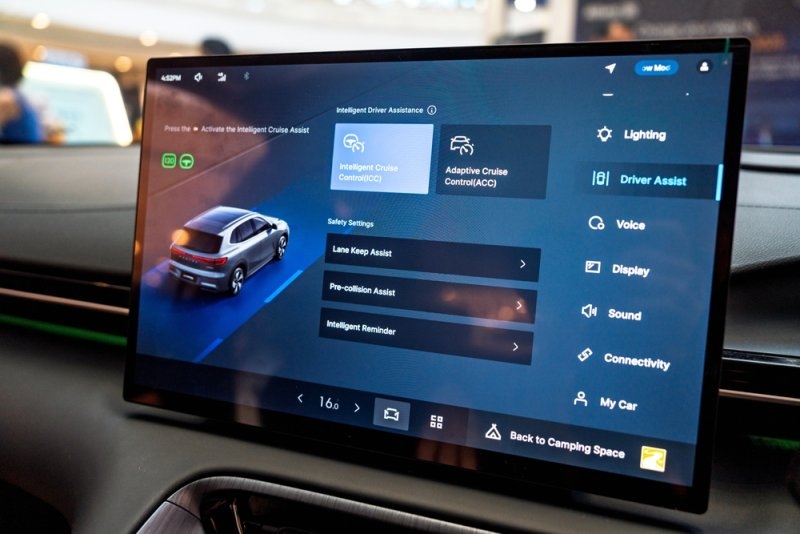
To understand how these features operate together smoothly, the underlying technical workflow processes incoming data through four coordinated steps:
Adopting copilot technology in modern cars provides tangible everyday advantages that elevate the driving experience for commuters, families, and commercial drivers alike.
Vehicle safety extends beyond watching the road outside; monitoring the person behind the wheel is equally critical. Understanding how driver monitoring systems work in cars highlights why modern copilot suites are so effective at preventing fatigue-related incidents.
When distraction or microsleep is detected, the smart driving assistance platform triggers progressive warnings, starting with gentle seat vibrations, loud chimes, and eventual automatic pull-over protocols.
Drivers frequently wonder how smart cars detect road hazards long before human eyes can spot them in low visibility. The process relies on computer vision algorithms trained on millions of real-world driving scenarios.
Optical cameras capture high frame rate video feeds, while neural networks classify objects into distinct categories like pedestrians, cyclists, construction cones, or debris. This allows the system to tailor its response, such as steering slightly away from a bicyclist while remaining safely inside the lane lines.
Radar modules built into the rear bumpers scan adjacent lanes to illuminate warning lights on side mirrors. When reversing out of blind parking spots, rear cross traffic sensors alert you to approaching traffic hidden behind large adjacent vehicles.
To make an informed purchase, vehicle shoppers must understand the key distinctions between a copilot car vs. an autonomous car setup.
| Feature Category | Copilot Car (SAE Level 2 to 3) | Autonomous Car (SAE Level 4 to 5) |
| Driver Responsibility | The human driver must stay alert and ready to take over. | The vehicle handles all driving tasks without human intervention. |
| Operational Scope | Works on mapped highways and clear urban roads. | Navigates all weather conditions and unmapped routes. |
| Steering and Pedals | Conventional controls are always present and active. | Controls may be fully omitted from the passenger cabin. |
| Legal Accountability | A licensed driver retains full legal liability. | The vehicle manufacturer or fleet operator bears liability. |
Embracing the future of automotive technology means prioritizing safety and peace of mind on every journey. Throughout our exploration of copilot car systems, we examined how camera and radar fusion protects passengers against unpredictable road dangers. We detailed how intelligent driver monitoring prevents distraction compared to human-supervised co-driving against fully autonomous platforms and explained how smart sensors categorize roadside hazards in milliseconds.
Upgrading your vehicle with intelligent safety features transforms long commutes into relaxing, confident experiences. Taking proactive steps to research cutting-edge vehicle platforms ensures you make a smart investment that keeps your loved ones safe. Discover comprehensive car reviews, compare top safety ratings, and find your next tech-forward vehicle by visiting PinkAutos today.
Adverse weather conditions like heavy snowfall or torrential rain can obscure optical camera lenses and scatter radar signals temporarily. When system sensors detect blocked views, the intelligent dashboard notifies the driver with visual warnings and gracefully hands off complete manual control back to human hands.
Core safety features such as automatic emergency braking, forward collision warning, and basic lane departure alerts usually remain free for the lifespan of the vehicle. However, advanced capabilities like hands-free highway driving navigation, continuous satellite map updates, and remote parking commands may require active subscription plans.
Advanced adaptive cruise control platforms integrate high-definition GPS mapping data alongside real-time steering angle sensors. When approaching a sharp curve, the system calculates a safe entry speed and automatically dials back throttle input before restoring your preset cruising speed once the road straightens out.
While basic aftermarket dashcams offer rudimentary lane departure chimes, true copilot integration requires deep factory connections with electronic braking modules, electric power steering racks, and powertrain controllers. Complete level two driver assistance cannot be safely retrofitted onto older vehicles lacking factory sensor infrastructure.
Modern connected vehicles receive periodic wireless software updates directly from manufacturer servers over cellular networks. These digital updates refine sensor calibration algorithms, enhance pedestrian recognition accuracy, and introduce improved driver interface features without requiring a physical visit to a dealership service center.
This content was created by AI