

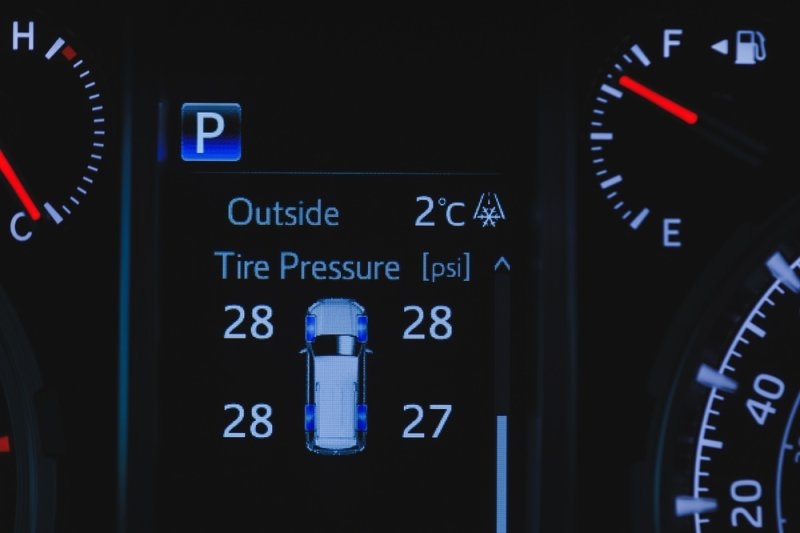
How To Use TPMS. To most drivers, the tyre pressure monitor warning light is just another warning light on their dashboards. But if you know how it works and what the system is capable of doing, you'll be able to take the right action when it lights up. From the differences between direct and indirect TPMS, tyre pressure sensor replacement, and calibration to avoiding DIY fixes, we explain all here.
What is a tyre pressure monitoring system? The pressure monitoring system tracks tyre pressure while the car is on the road. In some vehicles, this is a direct system that uses sensors to measure the pressure; in others, it estimates the pressure by monitoring the wheel speed sensors.
A direct TPMS utilizes a tyre pressure sensor in each tyre, often integrated into the valve assembly. The sensor detects pressure and transmits the data to the vehicle computer system, which triggers a warning light if the pressure drops below the defined limit.
Does TPMS measure actual tyre pressure? A direct TPMS does. That said, the pressure shown will typically be marginally different from the gauge you use to measure it manually, and it won't detect all tyre-related issues.
Indirect TPMS never measures the pressure within the tyre. Rather, it monitors alterations in the rotation rate of the tyre by detecting changes in the rotation of the wheel-speed sensors.
The rolling circumference of a tyre that is underinflated is less, meaning it will spin faster than the other tyres, and a vehicle can monitor this and alert you to a potential problem. The difference between direct and indirect TPMS is in the way a loss of pressure is observed – pressure measurement and estimation, respectively.
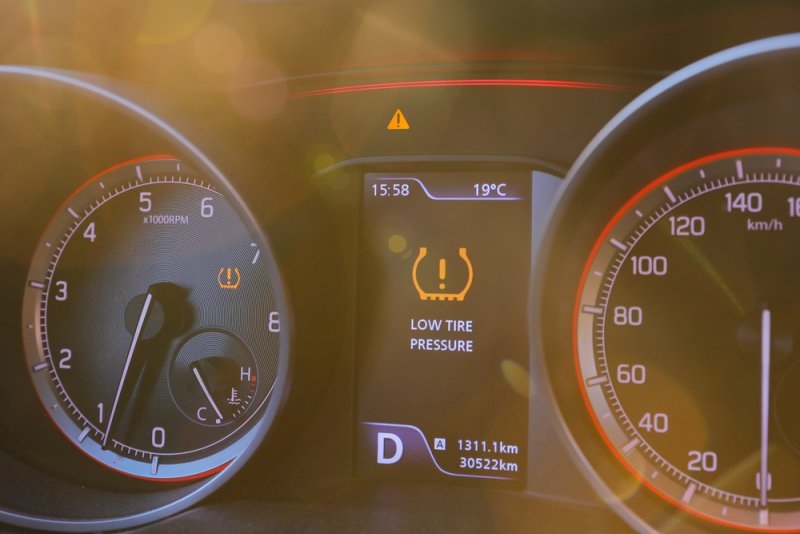
What is the TPMS warning light? The TPMS warning light usually warns you that a tyre (or tyres) could be underinflated. If it's showing constantly, then you should have your tyre pressures checked, but every car does this slightly differently.
A flashing TPMS warning light will tell you that you have a system error, not just low pressure. This could be caused by a fault with your sensor, a communication error, or a calibration problem.
If the TPMS warning light comes on, then always check tyre pressure before doing the TPMS reset. Always consult your vehicle handbook to know the correct cold tyre pressure for your vehicle.
The vehicle uses TPMS calibration to find the correct start point for the sensors to track either tyre pressure or wheel rotation. On some vehicles, TPMS calibration happens automatically; on others, the driver may need to navigate through a menu on the dashboard, press a button, or engage in a series of driving activities.
Learning how to reset a tyre pressure monitoring system comes in handy when you have rectified the tyre pressure, rotated tyres, or fitted new tyres. But the way to do it will depend on your car.
Don't forget to inflate your tyres – it may sound obvious, but ensuring that all your tyres are inflated to the recommended level from the manufacturer is essential before resetting the TPMS. Resetting a system with an existing pressure problem is not only useless but potentially damaging to the system.
Sometimes the tyre and wheel need to be re-commissioned or re-calibrated after replacement or repairs. Typical examples are:
Use the owner's manual to determine the precise TPMS calibration procedure because the system varies according to the vehicle make and model.
What is the replacement schedule for other tyre pressure sensors? A replacement schedule for every other tyre pressure sensor doesn't really exist. If they are direct TPMS sensors, they typically have batteries, which will, at some point, reach the end of their life.
Well, TPMS sensors are replaced when the sensor malfunctions, the battery runs out, or the sensor is damaged when the tyre is serviced. Depending on the design of the sensor and driving conditions, their lifespan can vary.
TPMS sensor replacement could also be required if the sensor has been physically damaged or is not reporting to the vehicle. The vehicle should undergo a TPMS calibration or relearn process following a new sensor being fitted.
A tyre pressure monitoring system can be of great safety value as it will alert you if your pressure drops below the minimum specified by the system. It will be of benefit where the tyre may lose pressure gradually and visually appears to be fine.
But should you take the tyre pressure monitoring system as the only way of checking your tyre pressures? No. The TPMS should be used to supplement your checked tyre pressures rather than replace them.
There are some disadvantages with the TPMS, and knowing these can ensure you are using the system correctly:
Using a good quality gauge to check tyre pressure is a far more accurate method of checking the actual pressure in a tyre.
How does a TPMS operate once you're driving your vehicle? The system consistently or intermittently takes stock of data from the tyre pressure sensors or wheel-speed sensors, depending on its configuration.
If the warning monitor detects conditions indicating under-inflated tyres, it will notify the driver. Once the pressure is up to spec, some vehicles will automatically clear the warning after driving a certain distance, while others will require a TPMS reset/calibration.
So make sure you don't dismiss a TPMS warning light. The warning indicates that the monitoring system in your vehicle has identified something that is worth paying attention to.
A tyre pressure monitoring system enables drivers to be alerted to possible pressure issues so they can take corrective action before they lead to uneven tyre wear, diminished handling, or other problems.
How does a tyre pressure monitoring system work, what does the TPMS warning light indicate, and when is it time for a TPMS calibration or a TPMS sensor replacement can be clarified and simplified. But tyre pressure monitoring systems are most effective when combined with scheduled tyre-pressure checks and inspections.
Although TPMS can warn you when your pressure falls to its warning value, it may not warn you immediately when you get a puncture. A sudden loss of air could cause the pressure to fall to its warning value more quickly than the sensors can react, so it's also important to keep alert for any changes to how the car feels or if you see damage to the tyre.
Question: Do the tire pressure sensors reset? No. The reset process differs widely among individual vehicle models. Certain models have a reset on the dashboard, a button, diagnostic, relearning sensors, or a special driving process.
It varies by vehicle and spare-wheel type. Some temporary spares may not be fitted with a compatible tyre pressure sensor, and the TPMS warning light may come on when fitted. Consult your vehicle's owner's manual for the correct procedure.
A few of the direct TPMS systems also provide information on tyre temperature as well as tyre pressure. The presentation to the driver may vary from vehicle to vehicle. The temperature reading should never replace the physical check of the tyre pressure when the tyres are cold.
Tyre removal and installation may impact a TPMS sensor. In the case of TPMS sensors that are installed in close proximity to the valve stem, tyre service procedures should be followed. Qualified technicians should service and replace tyre pressure sensors.
This content was created by AI