

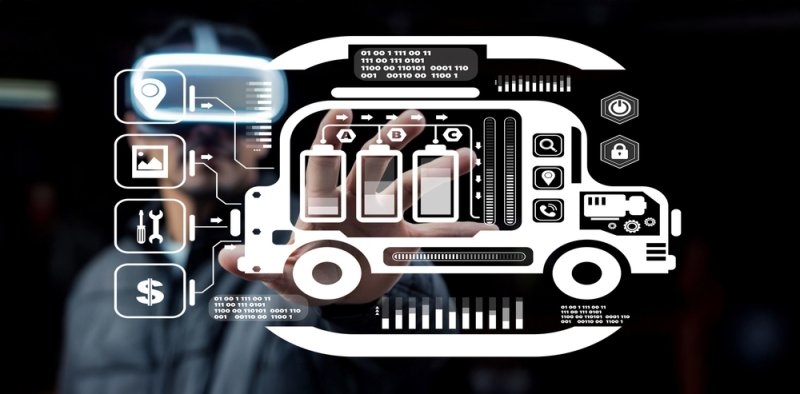
The biggest innovation in the automotive industry at present is the concept of a software-defined vehicle (SDV). Industry reports indicate that more than 90% of new vehicles will come equipped with some level of advanced software features by the end of this decade. Unlike cars from previous generations, which relied on hardware, SDV technology could potentially upgrade itself through software.
Automakers are spending billions of dollars developing a dedicated software architecture for cars. Customers have already begun to expect cars to function similarly to smartphones, with a rich feature set, including over-the-air software updates and remote diagnostics, rather than being a premium add-on.
As the automotive world continues to change, the knowledge of software-defined vehicles is becoming increasingly relevant. In this article, we will understand what exactly Software-Defined Vehicles are, how they work, the advantages and challenges they pose, how do software-defined vehicles change the driving experience, and why they've become such a prominent point of discussion regarding the future of transportation in 2026.
A Software Defined Vehicle, often called an SDV, is a car or a truck whose basic functions are primarily governed and controlled by software and computer systems, rather than having a separate piece of dedicated hardware.
In older cars, every single vehicle function used to rely on a standalone electronic control unit (ECU). Today's SDVs have a single computing system, with a large piece of software that controls all vehicle functions, running on integrated computer systems and platforms within the vehicle. The biggest plus of SDVs is that owners can have newer features or performance improvements added to their vehicles long after purchase.
Some of the software-controlled features include
The rapid growth of SDVs is being fueled by rising consumer expectations and advances in car technology trends. Industry consultants have predicted that the automotive software market could be worth hundreds of billions of dollars annually within a decade, while automakers see SDVs as both a growth engine and a competitive differentiator.
Here are a few of the key factors behind SDV's rapid growth:
Modern drivers today are seeking vehicles that not only offer an initial performance and feature set but will also continue to upgrade themselves over time through digital software updates and features. They expect the same level of seamless experience as a smartphone.
This allows manufacturers to enhance a vehicle's utility without necessarily replacing its hardware, thereby providing additional value and greater longevity for customers.
Electric Vehicles inherently require a high level of control over their battery systems, charging networks, and performance efficiency, enabled by a sophisticated software architecture. With demand for electric vehicles rising significantly worldwide, it has become imperative that more software-defined vehicles become readily available to customers.
Vehicles are no longer being developed in isolation. They are instead becoming integrated parts of much larger digital ecosystems, where a connected car communicates not only with the cloud but also with a traffic navigation system, charging stations, and other cars for better performance and traffic management.
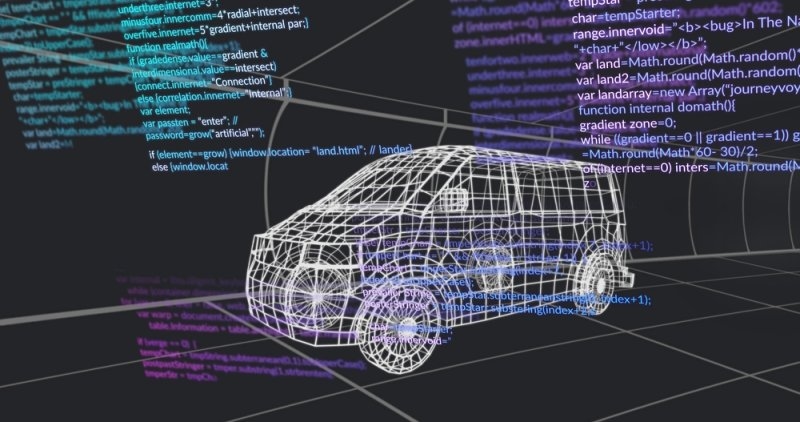
The underlying structure of an SDV is centered around a single large computing system. Instead of having tens of individual ECUs controlling basic vehicle features, a modern SDV uses advanced computing platforms to control vehicle systems by processing vast amounts of data in real time.
In an SDV, the automobile is effectively being driven by a powerful onboard computer. This single computer system handles tasks ranging from basic functions, such as operating the vehicle's lights and infotainment system, to sophisticated controls for advanced features, such as battery management in EVs.
Vehicle owners have become accustomed to accessing information and controlling settings for many connected devices, so car manufacturers are seeking to bring this level of ease of access to vehicles as well. Connecting the vehicle to the cloud enables seamless data transmission to and from the car. Manufacturers can use this data to monitor performance, diagnose problems, and deliver new updates.
One of the biggest advantages customers receive from purchasing an SDV is the ability to receive over-the-air (OTA) software updates. As smartphone apps can be updated, a car's features and performance system can be improved remotely. A driver may have the opportunity to add new driving assistance features or improve battery range by updating their car's software from their phone, or it may simply be part of a routine maintenance check.
The answer to this question lies in a few areas of drivers' experience: personalization, continuous improvement, and convenience.
If the current vehicles on the market all offer a relatively consistent driving experience for all their drivers and will continue to do so throughout their ownership period, SDVs will continuously improve throughout their vehicle lifecycle. The driver, on the other hand, will be able to experience the following:
For example, a driver's daily commute can be studied by the car's system to help reduce energy waste or ensure more optimal routes are taken, based on traffic levels or the vehicle's battery/fuel levels. This level of customization will create a more intelligent driving experience that the driver will adapt to with ease.
There are numerous benefits to SDV, and here are a few:
Software-Denied Vehicles have numerous challenges. In 2026, which includes the following:
The future is likely to see further development in AI, machine learning, advanced driver assistance systems, fully autonomous vehicles, and improved cloud connectivity for these vehicles. Experts expect automotive software to become the primary source of competitive differentiation in the industry over the next 10 years.
This advancement may be marked by higher levels of autonomous driving, AI-powered driver support systems, predictive maintenance features, V2V communication, and potential subscription-based features.
Software-defined vehicles are completely redefining the automotive landscape today in 2026. From a centralized computer architecture and connected-vehicle software to over-the-air updates, these vehicles will make drivers' lives safer and more efficient, and provide an experience much more tailored to their needs than previously imaginable. We've understood what SDVs are, how they work, their benefits, the challenges they bring, and why the future of automobile manufacturing depends heavily on them. At PinkAutos, we strive to keep you informed about the ever-changing automotive landscape so you can be prepared.
A vehicle with features and capabilities that continue to receive updates can hold greater value than a traditional vehicle whose features may no longer be current due to technological evolution. It can be quite appealing to buyers seeking a vehicle with a constantly updated user interface and the latest security enhancements, without having to spend more for a newer, hardware-dependent model.
No, Software Defined Vehicles aren't exclusive to electric vehicles. Although EVs lead the way, gasoline, hybrid, and many luxury cars are also now beginning to embrace SDV architectures. The emphasis is on the ability to drive a car from software, not on the engine's power source.
Several car manufacturers are exploring subscription-based services for higher-end software features. The features could include premium navigation, more advanced driver-assistance systems, entertainment systems, and even engine performance enhancements. Core safety functions and operational features, however, are likely to remain standard no matter what.
This content was created by AI