

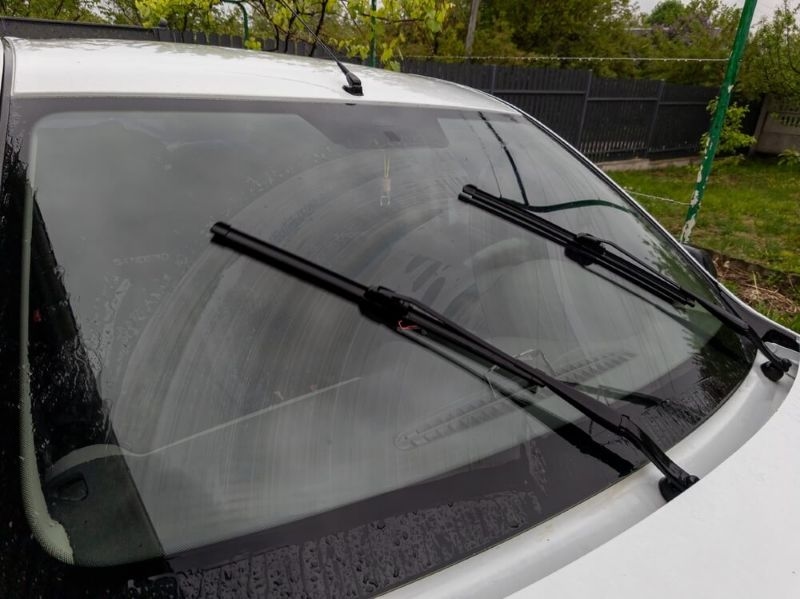
Most drivers never think about their windshield wipers until it is pouring rain on the highway and the blades start streaking across the glass instead of clearing it. At that point, it is too late to make a smart decision. The good news is that knowing how to choose windshield wipers the right way takes less than five minutes and can genuinely protect you on the road.
This guide walks you through everything you need to know: getting the right size, picking the best blade type, matching your material to your climate, car wiper buying tips, and knowing when to swap them out.
People spend a lot of money on tires and brakes, but almost never think about wipers until there is a problem. That is a mistake. Worn blades reduce your visibility in rain, snow, and even dusty highway conditions. They are also one of the least expensive parts on your car to replace. There is really no good reason to drive around with bad wipers.
Size is the first thing to sort out, and it matters more than most people expect. Your vehicle has a specific blade size recommended by the manufacturer, and going even slightly off can cause real issues.
Here are four simple ways to find the right fit:
One thing worth knowing: the driver's side and passenger's side often take different-sized blades. And if your SUV or hatchback has a rear wiper, that one has its own size too.
Getting the size wrong causes headaches. Blades that are too long can hit each other mid-sweep or miss the contour of the glass entirely. Blades that are too short simply leave big sections of your windshield uncleared. Nail the size first, then move on to everything else. Correct sizing is the foundation of good car wiper compatibility.
Also check: EV Charging Time: Factors & Tips that Car Owners Must Know
With the size sorted, you can start looking at blade styles. There are three types of wiper blades on the market, and each one fits a different kind of driver and climate.
This is the design that has been around for decades. A rubber blade sits inside a metal frame, and the frame flexes to keep the blade pressed against the glass. They are inexpensive and available at every auto parts store in the country.
Where they fall short is in cold weather. That open metal frame is a magnet for snow and ice buildup, which stops the blade from making proper contact. They can also get pushed off the glass by wind at higher speeds. If you go with conventional blades, check them every six months.
Beam blades have become the go-to choice on most vehicles made in the last several years, and for good reason. There is no metal frame at all. The blade is one continuous curved piece of rubber with a spring built inside, which lets it hug the windshield evenly from edge to edge.
No frame means no ice buildup, which is a genuine advantage if you live somewhere with rough winters. They also sit low and flat, so wind does not catch them the way it does conventional blades. Yes, they cost a bit more, but they last significantly longer, so it balances out.
Hybrid blades take the metal frame from a conventional blade and wrap it in a hard rubber shell. That shell blocks ice from jamming up the hinges and gives the blade a sleeker shape that presses more evenly against the glass. They land right in the middle on price and performance. A great pick if you want something better than basic without spending top dollar.
Car wiper compatibility is not just about size and style. The blade material plays a role, too, and where you live should influence what you pick.
Rubber blades are what most cars come with from the factory. They handle everyday rain and light weather well and are the most affordable option across the board.
Silicone blades hold up better through temperature extremes, whether that is a hot Arizona summer or a Michigan winter. As they wipe, they leave a light water-repelling layer on the glass that helps rain slide off faster. They cost more upfront, but drivers in wet or extreme climates often find them worth it.
If you are in a heavy snow region, keep an eye out for winter-specific blades. These are built with materials designed to stay flexible in freezing temps and glide cleanly over ice.
Your wipers will tell you when they are done if you know what to look for:
Replacing both front blades at the same time makes sense since they wear at roughly the same pace. Do not wait for a rainstorm to make the call for you.
More to Discover: How to Jumpstart a Car With a Battery: Step-by-Step Guide
You do not have to do much to keep your blades in good shape longer. Check out these car wiper buying tips:
Small habits like these are easy car wiper buying tips that genuinely add months to your blades.
Windshield wipers rarely get the attention they deserve until something goes wrong at the worst possible moment. But a little preparation goes a long way. When you know how to choose windshield wipers correctly, start with your wiper size guide to get the fit right, then pick from the types of wiper blades that match your driving conditions and budget. Think about your local climate when choosing between rubber and silicone. Watch for wear signs and replace blades before they fail you on the road. Good wipers are not a luxury. They are a basic part of driving safely in any weather. Take ten minutes today, check your current blades, and make the swap if needed.
Most wiper blades snap into place at home in under five minutes without any tools. The blade packaging usually includes step-by-step instructions. If you are unsure, staff at most auto parts stores will install them for you at no charge.
Yes. Prolonged exposure to direct sunlight, heat, and outdoor elements breaks down the rubber faster than normal. If you park outside regularly, inspect your blades more frequently and consider replacing them closer to every six months rather than waiting a full year.
No. Rear wipers are typically shorter and use a different connector style. They are also sold separately from front blades. Always look up the rear wiper size for your specific vehicle rather than assuming it matches either of the front blades.
This content was created by AI