

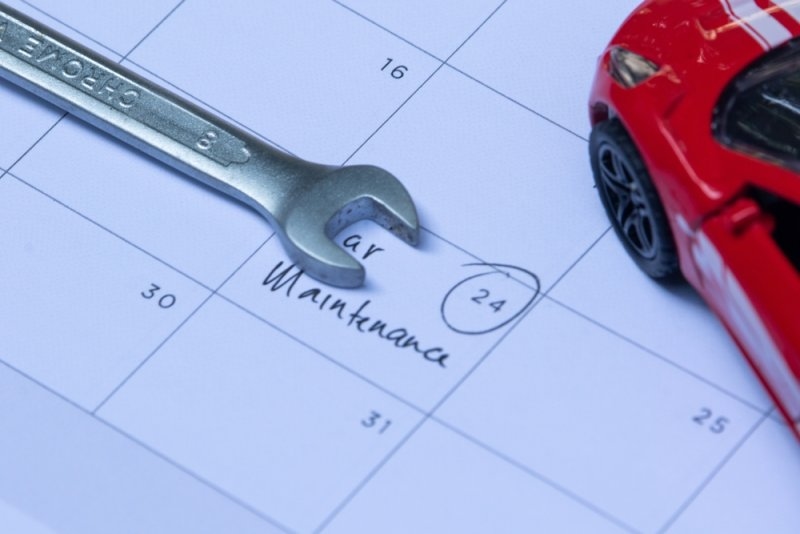
It’s not that missing a single maintenance step will wreck your car overnight. It’s the slow buildup—old oil, low tire pressure, worn brakes, dirty fluids, and those little warning signs you ignore. Consistency lets you catch issues early, preventing surprise expenses and keeping your car running well year after year.
If you’re driving in the U.S., your maintenance routine depends on mileage, climate, traffic, how often you tow, and your driving style. Here, we’ll break down how to set up a simple maintenance schedule, what service intervals really mean, and how to stick to a plan without making things complicated.
A car maintenance schedule should follow the manufacturer’s recommendations first. There is no universal mileage number that works for every vehicle. A compact sedan driven mostly on highways has different needs from a pickup that tows equipment every weekend.
Your owner’s manual usually lists recommended service intervals by mileage or time. Modern vehicles may also display maintenance reminders through the dashboard.
Car service intervals tell you when specific maintenance tasks should happen. Some are based on mileage, while others depend on months or years because fluids, rubber parts, and other components age even when the vehicle is barely driven.
Typical intervals may include oil changes, tire rotations, inspections, air-filter replacement, brake checks, and fluid services. Exact requirements vary by vehicle.
U.S. driving conditions can be rough on vehicles. Stop-and-go traffic, crazy heat, freezing winters, dusty roads, hauling loads, or just lots of short drives all put extra strain on your car. If you spend most of your time driving in tough conditions like these, your car might need more attention than average.
Some manufacturers actually give you a different maintenance schedule for that kind of use. For example, if you tow a lot, you’ll need to check your fluids more often—definitely more than someone who just takes occasional highway trips.
Also Read: Which Car Will Win in SUV vs. Sedan for Daily Driving?
Routine car maintenance is where long-term reliability is usually won. These checks are not glamorous. They are also much cheaper than repairing an overheated engine or replacing severely worn brakes.
A few minutes each month can reveal problems early.
Engine oil is the obvious one, but it is not the only fluid worth watching. Coolant, brake fluid, transmission fluid, power steering fluid (where applicable), and windshield washer fluid all deserve attention.
Filters matter too. Don’t forget about your filters. When the engine air filter gets clogged, your car can’t breathe well. Same thing with the cabin filter—if it’s dirty, your vents won’t work as well. Always stick to the fluid types the manufacturer recommends, not just whatever’s cheapest on the shelf.
Tires matter more than most people think. They don’t just get you moving—they affect handling, braking, gas mileage, and how comfortable your ride feels. Check the pressure when tires are cold, and use the number on the sticker inside your driver’s door, not the max pressure printed on the tire.
Look for uneven tread wear, cracks, bulges, or objects stuck in the tread. Tire problems should not wait for a dashboard warning.
Don't Miss: New Cars vs Used Cars: Smart Buying Guide for 2026 Shoppers
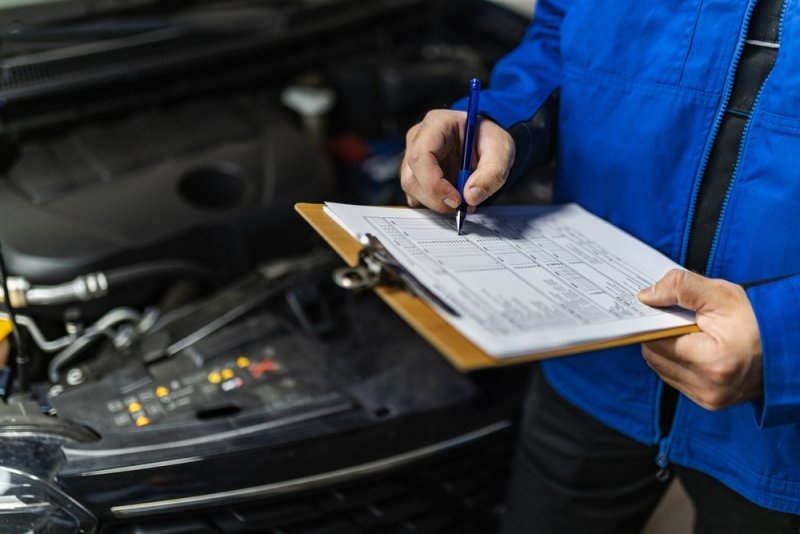
A car maintenance checklist makes maintenance easier because you do not have to remember everything. Keep it short. The purpose is to prevent missed tasks, not create another complicated project.
All these have importance:
But there’s no one-size-fits-all. Always adjust the checklist for your particular car.
Finally, don’t just wait until your next scheduled maintenance if something feels off. Tackle problems as soon as you notice them. It keeps you safe and can save you a lot of hassle down the road. Grinding brakes, steering vibration, unusual smells, fluid spots, repeated dashboard warnings, overheating, or a new engine noise should be checked sooner.
Ignoring a warning because “service is next month” can turn a manageable issue into a costly repair.
Maintenance records make it easier to see what has already been done. Record the date, mileage, service performed, and parts replaced. This helps prevent duplicate work. It also becomes useful when selling the vehicle because buyers often want evidence that the car was properly maintained.
Paper records work. Digital records work too.
A vehicle maintenance schedule is easier to manage when maintenance is grouped around mileage milestones. The exact requirements depend on the vehicle, but the structure can make ownership less confusing.
| Mileage Range | Common Maintenance Focus |
|---|---|
| Around 5,000–10,000 miles | Oil service, tire rotation, basic inspection |
| Around 15,000–30,000 miles | Filters, brakes, tires, fluid checks |
| Around 30,000–60,000 miles | More detailed inspections and fluid services |
| Around 60,000–100,000 miles | Major scheduled maintenance may begin |
| 100,000+ miles | Condition-based inspections become increasingly important |
These are broad examples, not replacement intervals. Always check the service schedule for your specific make, model, engine, and model year.
Someone who drives only 4,000 miles a year still needs maintenance. Fluids age. Batteries deteriorate. Tires become older. Rubber seals can harden.
That is why a car maintenance schedule should track both mileage and time. For low-mileage drivers, calendar reminders can be more useful than relying on the odometer.
Older cars need a slightly different mindset. Once mileage climbs, wear-related problems become more likely. Suspension components, belts, hoses, cooling-system parts, batteries, and seals may need closer inspection.
This does not mean replacing everything early. It means looking more carefully.
A strong car maintenance schedule for an older vehicle should focus on condition as well as scheduled services. Your mechanic can identify components that are wearing but have not failed yet.
A vehicle can feel completely normal while developing a problem. Brake pads can become thin before braking feels different. Coolant can leak slowly. Tires can lose pressure without looking flat.
Routine checks catch issues that drivers cannot always feel from behind the wheel. That is the point of maintenance.
Suggested Reading: Types of Automatic Transmission: Find the Best Fit for a Car
Long road trips across the U.S. put more demand on a vehicle than a short commute. Before leaving, spend a few minutes checking the basics.
Review tire pressure, tread, engine oil, coolant level, lights, windshield washer fluid, battery condition, and visible leaks. If the vehicle is already due for service, handle it before the trip rather than during it.
A car maintenance checklist is especially useful before towing or driving through remote areas.
Weather changes maintenance needs. Summer’s brutal heat can put a real strain on your car’s cooling system and batteries. Then winter shows up, and suddenly you’re dealing with low tire pressure, sluggish batteries, and thickened fluids.
Drivers in snowy states may also need to consider winter tires or appropriate all-season tires. Drivers in very hot regions should pay close attention to cooling-system performance.
Your vehicle maintenance schedule should reflect where and how you drive.
A good car maintenance schedule is not about spending money on every service a shop suggests. It is about following required maintenance, inspecting components, and making decisions based on the vehicle’s condition.
Ask what the service does. Ask why it is due. Ask whether it is required by the manufacturer or recommended because of the vehicle’s condition. That distinction matters.
Following car service intervals keeps required work organized, while routine car maintenance handles the small checks between appointments. Together, they create a much more practical ownership system.
A dependable car isn't just luck. Maintenance schedules keep you from forgetting important work, and quick check-ins help you spot trouble before it gets expensive. The smart move is simple: follow your manufacturer’s schedule, track time and miles, check the basics, and pay attention anytime your car feels off.
Don’t just try to remember maintenance items; use a checklist. Adjust your schedule for tough conditions—weather, heavy traffic, hauling, all of it. Most importantly, don’t wait until something breaks. Take care of the small stuff on time. It saves you money, it’s faster, and your car runs better—simple as that.
No. Your car’s paint color won’t change when you need an oil change or tire rotation. You might wash a black car more often since it shows sun damage and dirt, but the mechanical schedule stays the same.
You don’t really need to let modern cars idle for ages to warm up anymore. In fact, that old habit can actually mess up your engine. Just start driving gently for the first few minutes—your engine will warm up on its own, and you’ll be good to go at regular speeds.
Parking outside exposes your car to sun, rain, snow, and grime. Over time, all that can fade the paint and wear down rubber and interior pieces. A garage or even a good-quality cover helps a lot.
There’s no magic number as to how often you should wash your car. Wash your car more often if you drive through road salt, dirt, or get bird droppings—anything that eats at paint. Otherwise, just keep it as clean as you like.
Yes, it can. Lots of short trips prevent your engine and fluids from reaching proper temperature. That can cause more moisture buildup and deposits. If this is your normal routine, check your owner’s manual for the “severe” driving schedule—and stick to it.
This content was created by AI