

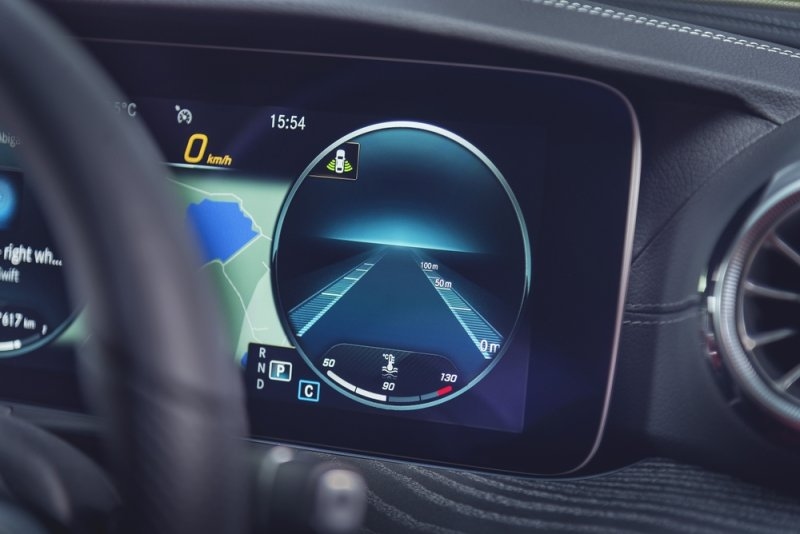
Anyone who has driven three hours straight on a highway knows how tiring it gets. Your foot cramps, your focus drifts, and traffic never seems to move at one steady pace. That's the exact problem adaptive cruise control was built to solve. It watches the road ahead and adjusts your speed on its own. Unlike the old-school cruise control most of us grew up with, it actually pays attention to traffic. Here's a real look at how it works, where it helps, and where it can let you down.
Adaptive cruise control, or ACC as most people shorten it, is a driver assistance feature. It uses a mix of sensors, radar, or cameras to keep tabs on the car ahead of you. Once you switch it on, it nudges your speed up or down to match traffic. You stop having to ride the brake or gas pedal every few seconds. It was designed with one goal in mind: taking some fatigue out of long highway stretches. Most new cars today carry some version of this as a standard safety feature.
Under the hood, the system depends on radar sensors, cameras, and sometimes lidar working together. These tools scan the road in front and figure out how far away other cars are. When traffic ahead slows down, your car eases off the gas to match that pace. Once the road opens up again, it accelerates back to whatever speed you set. This scanning happens multiple times every second, which is why the adjustments feel smooth. Some higher-end systems can even handle full stop-and-go traffic without you touching a pedal.
Here's a quick breakdown of how it typically reacts on the road:
| Traffic Situation | ACC Response |
| Clear highway | Holds your preset speed |
| Slower vehicle ahead | Slows down to keep a safe gap |
| Vehicle changes lanes out | Speeds back up to your original setting |
| Heavy stop-and-go traffic | Full-speed systems can stop and go on their own |
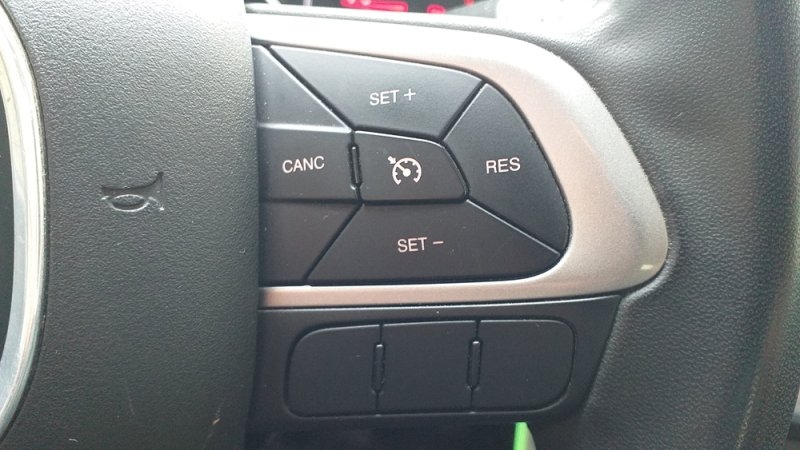
Old-fashioned cruise control does one thing only: it locks your car at a fixed speed. It has no idea what's happening around you, so you're still braking manually when needed. Adaptive cruise control flips that entirely by reading traffic and adjusting speed in real time. That single difference makes it a far better fit for busy or unpredictable highways.
If you're weighing up other safety features too, it's worth checking how a blind spot monitoring system works alongside adaptive cruise control to round out your highway protection.
Getting the hang of ACC makes highway driving noticeably less draining once you're used to it. Start by setting your speed only after traffic looks steady and predictable. Pick a following distance that actually matches your comfort level, not just the default setting. Keep your hands resting on the wheel even though the pedals are handled for you. Watch for cars merging in or cutting across lanes without much warning. And switch it off yourself if the road turns foggy, icy, or badly marked.
A handful of extra tips that tend to help:
Adaptive cruise control cars? It used to be a luxury feature, but that's changed fast. Everyday brands like Toyota, Honda, and Hyundai now offer it on plenty of trims. Luxury names such as Audi, BMW, and Mercedes tend to include the more advanced, full-speed versions. Even budget-friendly models are increasingly bundling it into optional safety packages. A quick look at a car's trim details will tell you if ACC is included.
Must Try: Why Lane Departure Warning System Matters in New Cars
Nothing about this tech is flawless, and it helps to know its blind spots. Heavy rain, snow, or thick fog can throw off sensor accuracy in a hurry. A driver cutting in aggressively can sometimes trigger a delayed or jerky braking response. Faded lane markings tend to confuse cameras that rely on clear visual cues. Construction zones with odd, shifting patterns often trip the system up too. That's exactly why staying attentive still matters even with ACC turned on.
Long highway stretches feel a lot less exhausting once adaptive cruise control takes over the pedal work. You're not constantly braking and accelerating through minor speed changes anymore. That steadier pace can even shave a bit off your fuel use over time. A lot of drivers say they arrive less mentally wiped out after long commutes with it on. It also reacts faster than most people can manually, adding a real layer of protection. Paired with other safety tech, it makes the whole drive feel calmer overall.
Adaptive cruise control genuinely changes what a long highway drive feels like day to day. It cuts down fatigue, smooths out your pace, and adds a useful safety cushion. That said, it still works best with an engaged driver who isn't checked out completely. Knowing where it shines and where it struggles helps you use it the smart way.
Also Read: What is Collision Warning and How Does it Actually Work?
It's a driver assistance feature that takes over the gas and brake for you on the highway. Using radar or cameras, it watches the car ahead and quietly adjusts your speed to hold a safe, steady following distance the whole time.
The fancier, full-speed versions can bring your car to a dead stop when traffic jams up, then get moving again on their own once it clears, no pedal needed. Older or basic systems usually just shut off below a certain speed, leaving you to take back control.
For the most part, yes, especially on clear highways with steady traffic. Just don't zone out completely. Keep your hands on the wheel, stay ready to react, and turn it off yourself if rain, fog, or ice start messing with visibility.
Not even close, honestly. It really depends on what brand and trim you've got. Higher-end luxury cars tend to throw in extras like full-speed range and lane centering, while the more budget-friendly trims often only work once you're past a certain speed.
Nope, and it was never meant to. All it really does is manage your speed and keep some distance from the car in front. You're still the one steering, checking your mirrors, and catching hazards this thing was never built to notice.
This content was created by AI